




مقدمة
تعتبر المدادات من النوع C والمدادات من النوع Z مكونات أساسية في بناء المباني الفولاذية, تُستخدم المدادات على نطاق واسع في هياكل الصلب الخفيفة، والمستودعات الصناعية، والمباني التجارية، وأسقف المنازل. ولا يقتصر اختيار شكل المدادات المناسب على سلامة الهيكل فحسب، بل يؤثر أيضًا بشكل مباشر على كفاءة التركيب، وتكلفة المواد، وأداء المبنى على المدى الطويل. بالنسبة للمصنعين والمقاولين، يُعد فهم الفروق الدقيقة بين مدادات C و Z أمرًا بالغ الأهمية لضمان أفضل نتائج التصميم والتركيب.
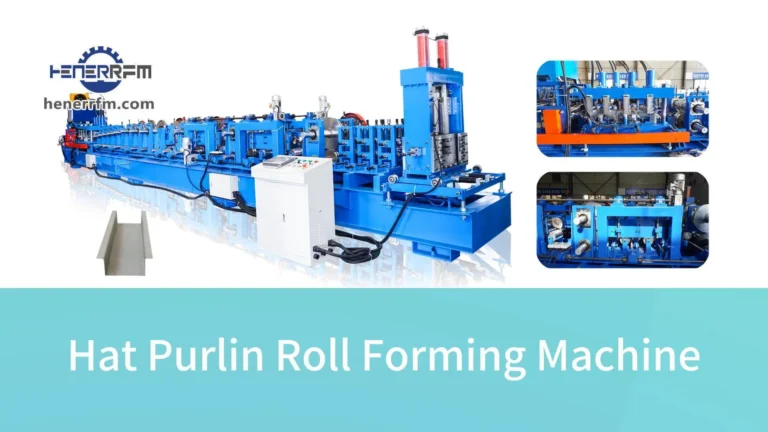
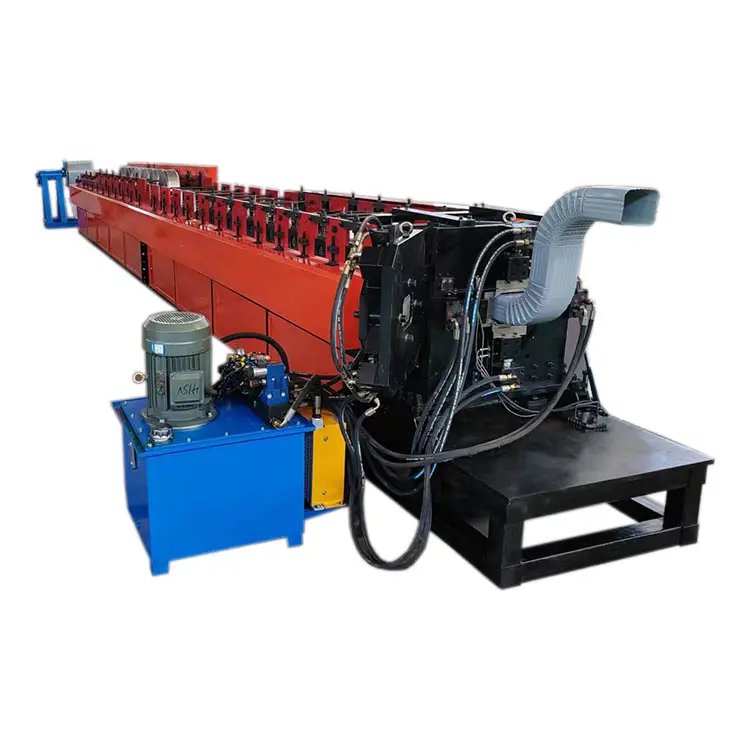
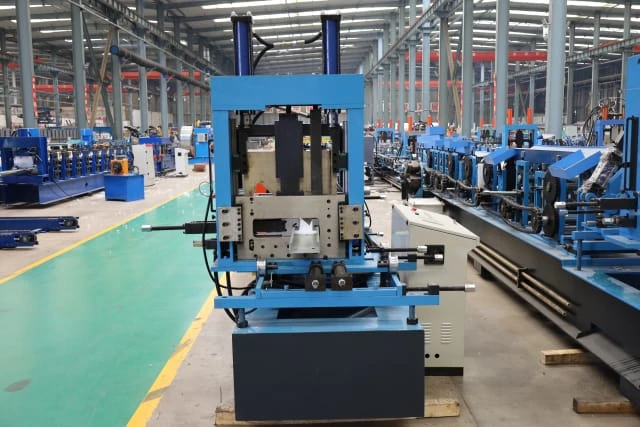
في مشاريع البناء الحديثة، يتم إنتاج هذه المقاطع باستخدام آلات تشكيل المدادات C/Z, تتيح هذه التقنيات تشكيلًا دقيقًا، وثقبًا دقيقًا، وجودة متسقة عبر عمليات الإنتاج الطويلة. تقدم هذه المقالة دراسة متعمقة لـ الاختلافات الهيكلية، والتطبيقات العملية، واعتبارات التركيب, ورؤى الإنتاج، مما يوفر دليلاً شاملاً للمهندسين والبنائين ومشتري المعدات.
الاختلافات الهيكلية
مدادات C
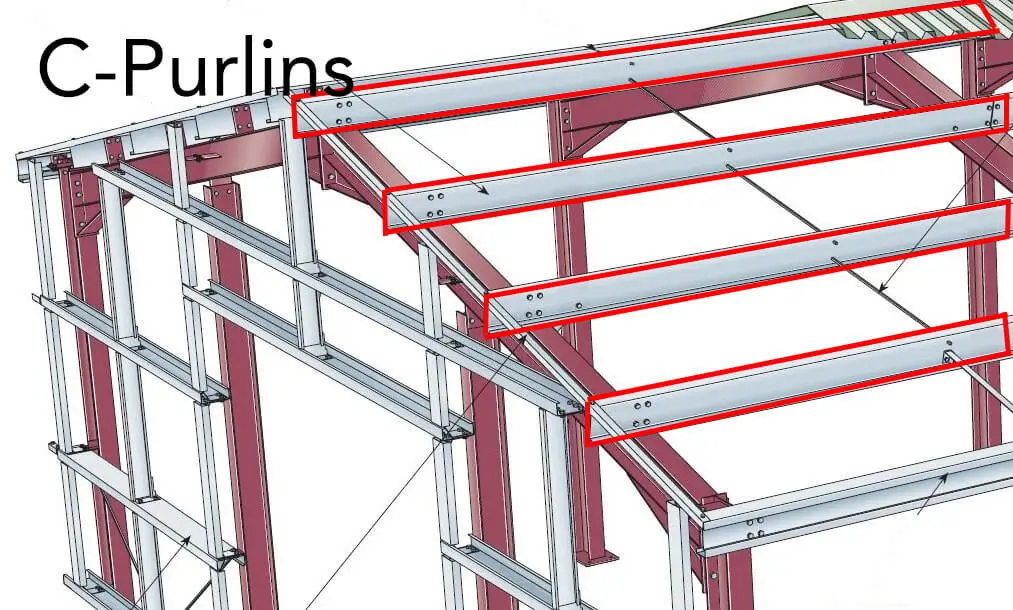
تتميز المدادات على شكل حرف C بشكلها الذي يشبه الحرف "C"، حيث تتكون من شبكة مسطحة ذات حواف على جانب واحد. يسمح تصميمها بتكديسها أو تركيبها بكفاءة في التطبيقات ذات المسافات القصيرة. تشمل الخصائص الهيكلية الرئيسية ما يلي:
- تكوين الشبكة والشفة: يوفر الجدار المسطح صلابة على طول المحور الرأسي، بينما توفر الحواف مساحة سطحية للتثبيت والربط.
- مدى ملاءمة النطاق: تعتبر المدادات على شكل حرف C مثالية للمسافات القصيرة حيث يمكن تركيب دعامات متعددة على فترات منتظمة.
- سهولة الاتصال: يعمل سطح الحافة المسطح على تبسيط عملية التثبيت على العوارض أو الجسور أو الإطارات الداعمة باستخدام البراغي أو المسامير.
- متطلبات الدعم: تتطلب التطبيقات ذات الامتدادات الطويلة دعامات إضافية لمنع الانحراف أو الانحناء تحت الحمل.
غالباً ما يتم اختيار المدادات من النوع C لـ مشاريع سكنية، وورش عمل صغيرة، ومستودعات حيث تُعدّ البساطة وسرعة التركيب من الأمور بالغة الأهمية. باستخدام ماكينة تشكيل المدادات C/Z, ، ويمكن للمصنعين إنتاج هذه القطاعات بسماكة ثابتة وأبعاد دقيقة، مما يضمن الموثوقية الهيكلية وسهولة التركيب.
مدادات على شكل حرف Z
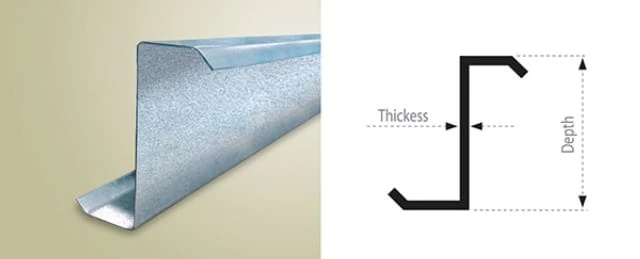
تتميز عوارض Z بشكلها المميز "Z"، مع حواف متداخلة تسمح للألواح بـ عش وحضن من طرف إلى طرف, مما يزيد من كفاءة الهيكل في التطبيقات ذات الامتدادات الطويلة. وتشمل خصائصها الهيكلية الرئيسية ما يلي:
- تصميم الشفة المنزاحة: وهذا يتيح سهولة التداخل والامتداد المستمر، مما يقلل الحاجة إلى الدعامات الوسيطة.
- ملاءمة المدى الطويل: تُفضل المدادات على شكل حرف Z للمباني الصناعية والتجارية ذات الامتدادات السقفية الممتدة نظرًا لقدرتها العالية على تحمل الأحمال.
- تحسين القوة: بالمقارنة مع المدادات C المصنوعة من نفس مقياس الفولاذ، توفر المدادات Z مقاومة انحناء واستقرارًا محسّنين تحت الأحمال المنتظمة.
- أنظمة التسقيف المتصلة: يُعد هذا التصميم مثالياً للهياكل متعددة الفتحات، حيث يقلل من عدد الوصلات ويعزز الاستمرارية الهيكلية.
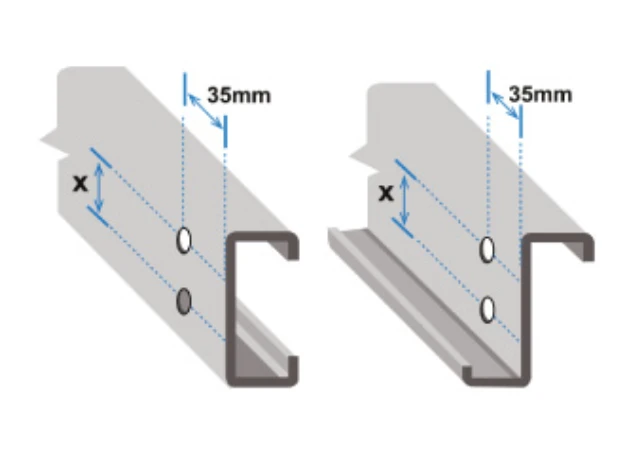
حديث آلات تشكيل المدادات C/Z إنتاج مدادات على شكل حرف Z بزوايا حواف دقيقة ومواقع ثقوب محددة، بما يتناسب مع كل من الأشكال القياسية والمخصصة لتلبية المتطلبات الهيكلية الخاصة بالمشروع.
التطبيقات
يتم اختيار المدادات من النوع C و Z بناءً على حجم المشروع ومتطلبات التحميل وتفضيلات التركيب:
- عوارض C: مناسبة للهياكل الصغيرة والمتوسطة الحجم، بما في ذلك ورش العمل والمستودعات والمباني الزراعية والهياكل السكنية المصنوعة من الفولاذ الخفيف. يدعم تصميمها التركيب السريع وهو فعال من حيث التكلفة للمشاريع ذات الامتداد المحدود والدعامات الوسيطة المتاحة.
- مدادات Z: مثالي للمستودعات الصناعية ذات المساحات الكبيرة، والمنشآت التجارية، وأنظمة الأسقف متعددة الأجزاء. تقلل إمكانية التداخل والتداخل من عدد الوصلات المطلوبة، مما يعزز الثبات ويقلل من تكاليف التركيب.
في جميع التطبيقات، باستخدام ماكينة تشكيل المدادات C/Z يضمن جودة إنتاج موحدة، وتحديد دقيق لموضع الثقوب للمسامير أو أدوات التثبيت، وأبعاد جانبية قابلة للتكرار تتوافق مع المواصفات الهندسية.
اعتبارات التركيب
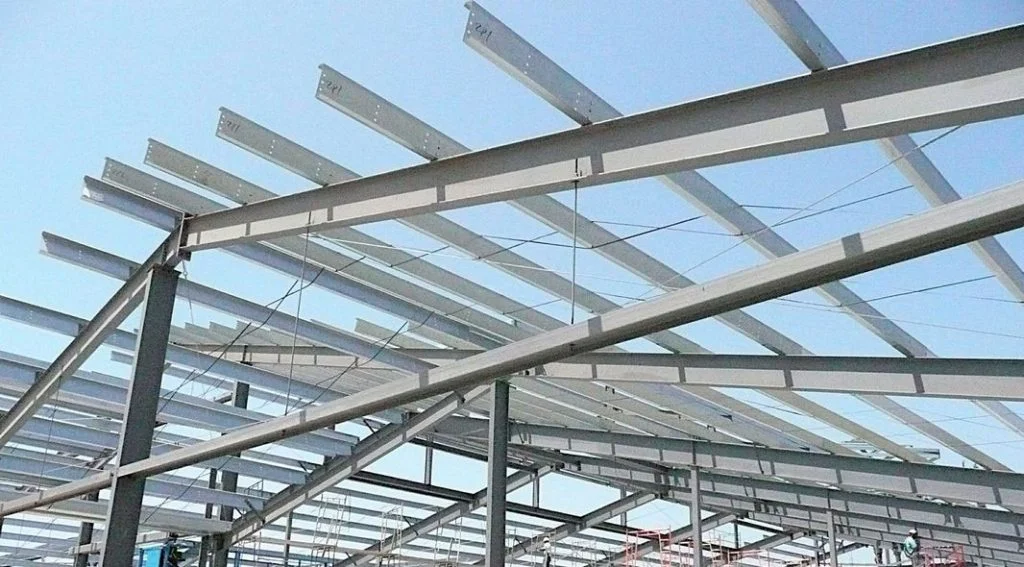
يُعدّ التركيب الصحيح لعوارض C و Z أمرًا ضروريًا للأداء الهيكلي وطول العمر:
- عوارض C: تتطلب دعامات تثبيت أكثر تكرارًا نظرًا لتصميمها ذي الشبكة المسطحة. يُعدّ المحاذاة أمرًا بالغ الأهمية لضمان توزيع متساوٍ للحمل ومنع الانحراف. التثبيت سهل، ولكن يجب على الفنيين مراقبة حدود المسافة بدقة.
- مدادات Z: صُممت هذه الألواح لتتداخل وتتداخل مع بعضها، مما يقلل من عدد الدعامات الوسيطة. هذا يُسهّل عملية التركيب ويضمن نقلًا مستمرًا للأحمال عبر هيكل السقف. يجب توخي الحذر عند محاذاة الأجزاء المتداخلة وتثبيت الوصلات بإحكام.
تستفيد كل من المدادات من النوع C والمدادات من النوع Z من التصنيع الدقيق على ماكينة تشكيل المدادات C/Z. تنتج الآلات أبعادًا متسقة، مما يسمح بتسهيل عملية المحاذاة في الموقع وتقليل الأخطاء المحتملة أثناء التركيب.
تشمل الاعتبارات الإضافية للتثبيت ما يلي:
- ضمان التوجيه الصحيح للحواف لدعم ألواح التسقيف أو الإطار الثانوي
- التحقق من المسافة بين المدادات لتلبية متطلبات الأحمال وقوانين البناء المحلية.
- تنسيق أنماط الثقوب للتثبيت بالمسامير لتقليل التعديلات الميدانية
مزايا استخدام آلات تشكيل المدادات C/Z
حديث آلات تشكيل المدادات C/Z توفر العديد من المزايا لكل من المصنّعين والمستخدمين النهائيين:
- دقة عالية وقابلية تكرار ممتازة: يحافظ كل ملف تعريف على دقة أبعاد عالية خلال عمليات الإنتاج الطويلة.
- أنظمة التثقيب المتكاملة: تساهم الثقوب المثقوبة مسبقًا للمثبتات في تقليل العمالة في الموقع وزيادة سرعة التركيب.
- ملفات تعريف قابلة للتخصيص: يمكن تعديل الآلات لإنتاج عروض مختلفة للحواف، وارتفاعات مختلفة للشبكة، وسماكات مختلفة لتلبية متطلبات المشروع المحددة.
- كفاءة استخدام المواد: يتم توليد الحد الأدنى من النفايات، مما يقلل من تكاليف الإنتاج.
- جودة ثابتة: يحافظ التشكيل بالدرفلة على البارد على قوة الفولاذ ويضمن سلامة السطح، مما يدعم أداء المبنى على المدى الطويل.
هذه المزايا تجعل آلات تشكيل المدادات C/Z لا غنى عنها للشركات التي تنتج مكونات فولاذية خفيفة الوزن لمجموعة واسعة من مشاريع البناء.