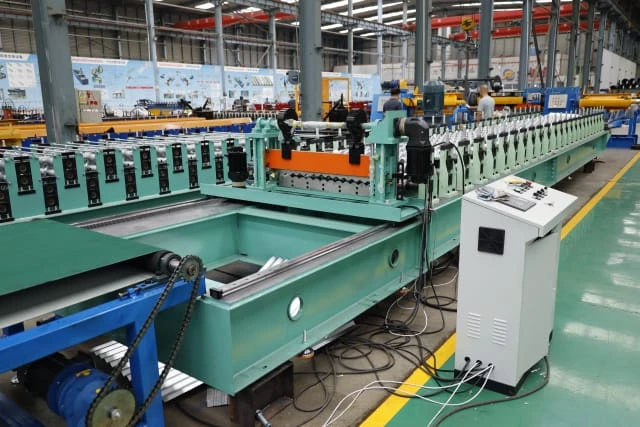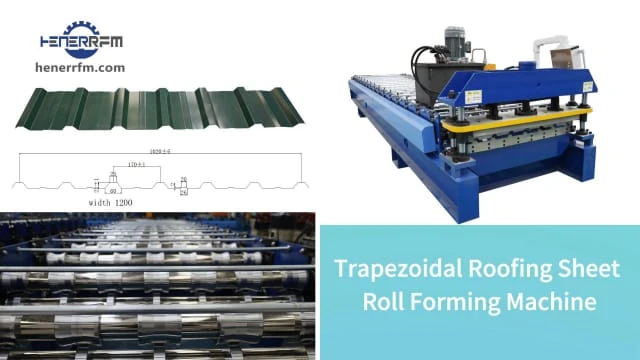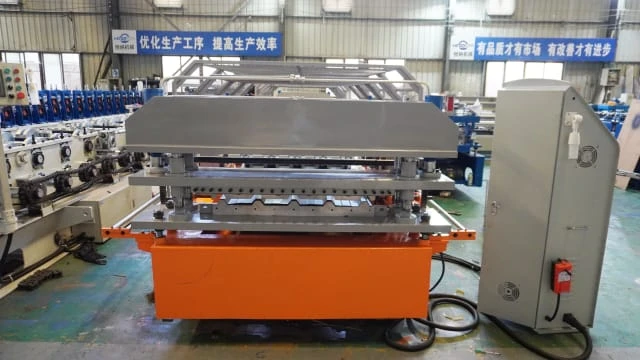





مقدمة
في تصنيع المقاطع المعدنية،, تكلفة المواد غالبًا ما يمثل الجزء الأكبر من نفقات الإنتاج الإجمالية. وحتى التحسينات الصغيرة في استخدام المواد يمكن أن تؤدي إلى وفورات كبيرة في التكاليف على مدى فترات الإنتاج الطويلة. وهذا هو أحد الأسباب الرئيسية لذلك تقنية تشكيل الدرفلة على البارد يتم اعتماده على نطاق واسع للمكونات المعدنية ذات الحجم الكبير والقابلة للتكرار.
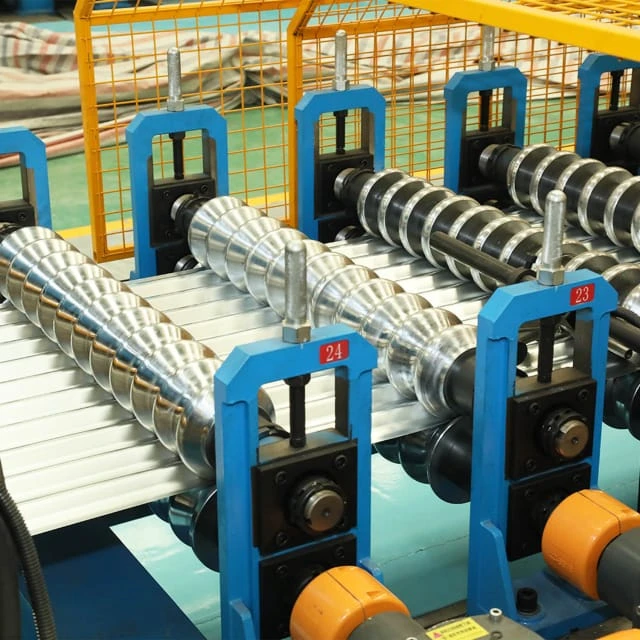
بالمقارنة مع طرق التشكيل البديلة، يوفر التشكيل باللف عملية مستمرة ويتم التحكم فيها بشكل كبير مما يقلل من النفايات مع الحفاظ على هندسة المظهر الجانبي المتسقة. تشرح هذه المقالة كيف يعمل تشكيل اللف على تحسين استخدام المواد, العوامل الفنية وراء ذلك، ولماذا الحديثة آلات تشكيل اللفائف يفضلها المصنعون الذين يركزون على الكفاءة والتحكم في التكلفة.
التشكيل المستمر مقابل المعالجة المجمعة
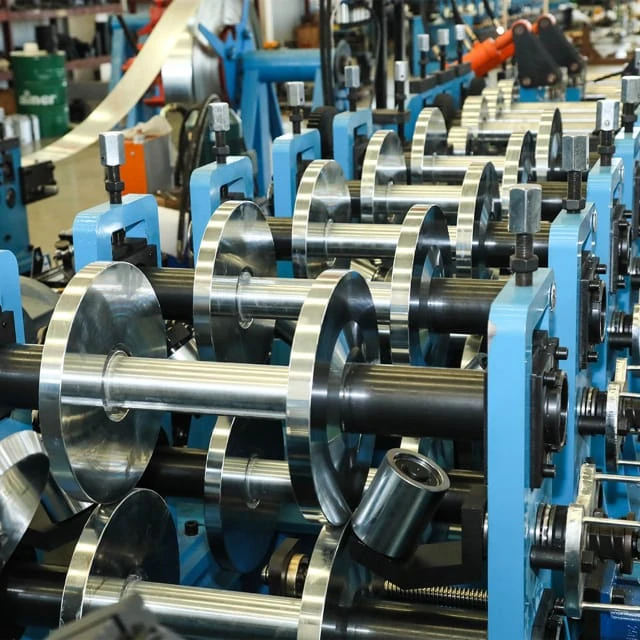
تكمن إحدى المزايا الأساسية لتشكيل اللفة في ذلك طبيعة الإنتاج المستمر. يتم تغذية الشريط الفولاذي مباشرة من الملف إلى خط تشكيل اللفة، ويتم تشكيله تدريجياً من خلال محطات تشكيل متعددة، ويتم قطعه بالطول دون انقطاع.
في المقابل، تتطلب العمليات المجمعة مثل الضغط على الكبح أو الختم عادةً ما يلي
- قطع فارغة فردية
- خطوات معالجة متعددة
- خسارة القطع الأعلى
يؤدي التشكيل المستمر للفة إلى التخلص من القطع والتعامل غير الضروريين، مما يسمح بتحويل عرض الملف بالكامل تقريبًا إلى منتج نهائي.
التحكم الدقيق في عرض الشريط وسمكه
تم تصميم مقاطع تشكيل اللفة لتتناسب مع العرض الدقيق للملف الوارد. لأن العملية لا تتطلب التشذيب أثناء التشكيل،, يتم التخلص فعليًا من خردة الحافة.
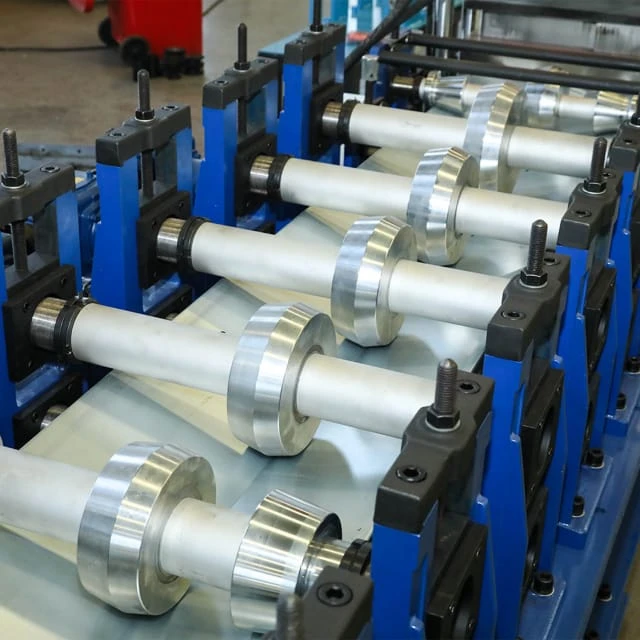
وتشمل العوامل الرئيسية ما يلي:
- اختيار دقيق لعرض الملف
- تصميم زهرة لفة الأمثل
- التحكم المتسق في سمك المادة
حديث آلات تشكيل اللفائف الباردة حافظ على توجيه الشريط المستقر وضغط التشكيل، مما يضمن التحكم في تشوه المادة بدلاً من الإفراط فيه.
التشوه التدريجي يقلل من الإجهاد المادي
على عكس التشكيل بالضغط، الذي يطبق قوة عالية في عملية واحدة، فإن التشكيل باللف يشكل المواد تدريجيًا عبر محطات متعددة. هذا التشوه المتحكم فيه:
- يحافظ على قوة المواد
- يمنع التشقق أو التمزق
- يقلل من الحاجة إلى الفراغات كبيرة الحجم
ونتيجة لذلك، يمكن للمصنعين استخدام مقاييس أرق دون المساس بالأداء الهيكلي، مما يؤدي إلى تحسين استخدام المواد بشكل مباشر.
التثقيب المضمن يقلل من النفايات
تتطلب العديد من المقاطع المشكلة على شكل لفات ثقوبًا أو فتحات أو شقوقًا. مع أنظمة التثقيب المضمنة, ، يتم إنشاء هذه الميزات أثناء عملية التشكيل وليس كعملية منفصلة.
تشمل الفوائد:
- القضاء على المعالجة الثانوية
- تقليل الخردة من التثقيب غير المحاذي
- دقة موضعية أعلى
وحدات التثقيب المتكاملة قيد التشغيل آلات تشكيل اللفائف تتم مزامنتها مع سرعة الخط، مما يضمن الاستخدام الفعال للمواد.
دقة القطع إلى الطول المحسنة
غالبًا ما يحدث هدر المواد عندما تكون دقة الطول غير متسقة. استخدام خطوط تشكيل اللف المتقدمة أنظمة قطع الطيران التي يتم التحكم فيها مؤازرًا للحفاظ على أطوال القطع الدقيقة.
قطع دقيق:
- يقلل الأجزاء خارج المواصفات
- يمنع تراكم المقاطع القصيرة غير القابلة للاستخدام
- يحسن العائد الإجمالي
وهذا مهم بشكل خاص في الإنتاج طويل المدى مثل المدادات وأعضاء الإطارات وألواح الأسقف.
تقليل الخردة من خلال التحكم المستقر في العملية
تنتج عملية تشكيل اللفة المستقرة عددًا أقل من الأجزاء المعيبة. تشمل المساهمين الرئيسيين ما يلي
- إطارات الآلات الصلبة
- أدوات لفة دقيقة
- أنظمة القيادة المستقرة
- معلمات الخط التي يتم التحكم فيها بواسطة PLC
من خلال الحفاظ على ظروف تشكيل متسقة، يقلل المصنعون من خردة بدء التشغيل ويقللون من النفايات أثناء تغييرات السرعة أو تحولات المواد.
المقارنة مع طرق التشكيل البديلة
عند مقارنتها بتشكيل الفرامل بالضغط أو الختم:
- يؤدي تشكيل اللفة إلى تقليل نفايات القطع
- يمكن تحسين سمك المادة
- تتطلب الملفات الشخصية النهائية عددًا أقل من العمليات الثانوية
وهذا يجعل تشكيل اللف مناسبًا بشكل خاص ملفات تعريف موحدة كبيرة الحجم حيث تؤثر كفاءة المواد بشكل مباشر على الربحية.
فوائد التكلفة طويلة المدى
يُترجم تحسين استخدام المواد إلى:
- انخفاض تكلفة المواد الخام لكل وحدة
- تقليل التعامل مع الخردة والتخلص منها
- كفاءة أعلى للمعدات بشكل عام
وبمرور الوقت، تعمل هذه الفوائد على تحسين العائد على الاستثمار بشكل كبير بالنسبة للمصنعين العاملين آلات تشكيل اللفائف الباردة.
خاتمة
يعمل تشكيل اللفة على تحسين استخدام المواد من خلال الإنتاج المستمر والتحكم الدقيق في الشريط والتشوه التدريجي والمعالجة المتكاملة. عن طريق تقليل الخردة وتعظيم المواد القابلة للاستخدام, آلات تشكيل اللفائف تمكين الشركات المصنعة من تحقيق جودة متسقة مع خفض تكاليف الإنتاج.
بالنسبة للشركات التي تركز على الكفاءة وقابلية التوسع، الاستثمار في المتقدمة تقنية تشكيل الدرفلة على البارد هو قرار استراتيجي يحقق قيمة طويلة المدى.