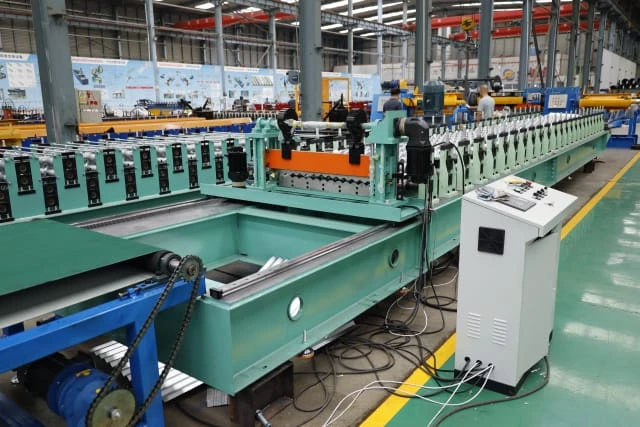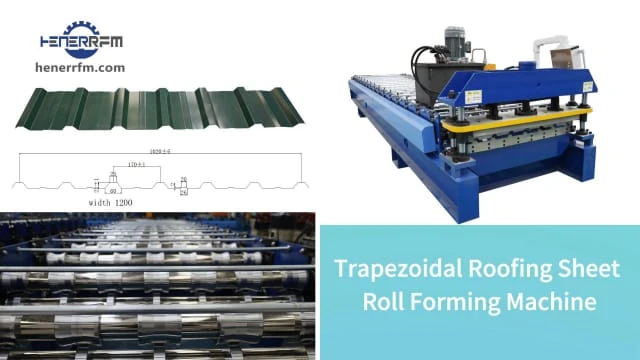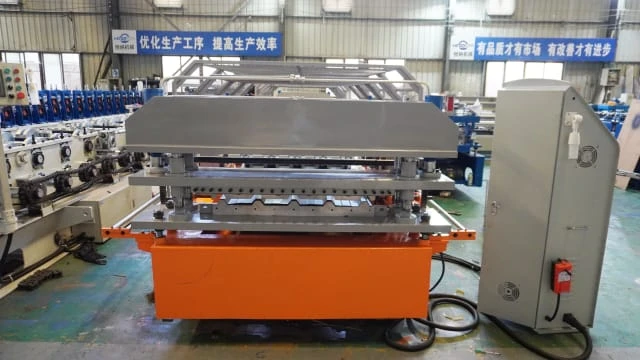





مقدمة
اختيار الحق آلة تشكيل اللفائف يعد قرارًا استثماريًا بالغ الأهمية للشركات العاملة في تصنيع المعادن ومواد البناء وتصنيع الهياكل الفولاذية. يمكن لآلة تشكيل اللف التي تم تكوينها بشكل صحيح أن تحسن كفاءة الإنتاج بشكل كبير، وتضمن جودة المنتج المتسقة، وتقلل من تكاليف التشغيل على المدى الطويل.
بالنسبة للعديد من المشترين، العمل مع ذوي الخبرة مصنع آلات تشكيل اللفائف لا يقل أهمية عن اختيار الآلة نفسها. يمكن للشركة المصنعة الموثوقة توفير التوجيه الفني وخيارات التخصيص والدعم طويل المدى الذي يؤثر بشكل مباشر على استقرار الإنتاج.
يشرح دليل المشتري العملي العوامل الرئيسية التي يجب مراعاتها عند اختيار آلة تشكيل اللف بناءً على متطلبات الإنتاج الحقيقية بدلاً من التسعير قصير المدى.
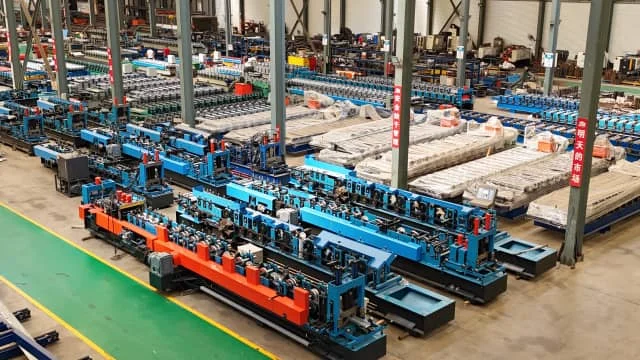
1. متطلبات نوع المادة وسمكها
قبل تقييم أي آلة تشكيل اللف، يجب على المشترين تحديد المواد الخام المراد معالجتها بوضوح. معظم آلات تشكيل اللف و تشكيل المعادن بالدرفلة تم تصميم الأنظمة للتعامل مع الملفات المعدنية مثل:
- الفولاذ المجلفن (GI)
- الفولاذ المجلفن المطلي مسبقًا (PPGI)
- الألومنيوم
- الفولاذ المقاوم للصدأ
بالإضافة إلى نوع المادة، من الضروري التأكيد على ما يلي
- نطاق سمك المادة (على سبيل المثال، 0.3 بوصة 0.8 مم أو 1.0 بوصة 3.0 مم)
- عرض الملف
- قوة الخضوع للصلب
ستختلف آلة تشكيل اللف المصممة لألواح الأسقف ذات القياس الخفيف بشكل كبير عن اللفة المعدنية الثقيلة المستخدمة في التشكيلات الهيكلية. يساعد اختيار المعدات التي تتوافق مع معلمات المواد الفعلية على منع تشوه المظهر الجانبي، وتقليل تآكل الأسطوانة، وإطالة عمر خدمة الماكينة.
2. تصميم الملف الشخصي وتشكيل التعقيد
يؤثر تصميم الملف الشخصي بشكل مباشر على تكوين آلة تشكيل اللف أو الكامل خط تشكيل اللفائف. تتطلب المقاطع البسيطة، مثل الصفائح المموجة أو مدادات C القياسية، بشكل عام محطات تشكيل أقل وأدوات أسطوانية أبسط.
في المقابل، غالبًا ما تتطلب المقاطع المعقدة مثل ألواح التسقيف الدائمة أو الأسطح المعدنية أو المقاطع الهيكلية المخصصة ما يلي
- عدد أكبر من محطات التشكيل
- بكرات آلية دقيقة
- وحدات استقامة أو تسوية إضافية
إذا تم التخطيط لتنويع المنتج، فيجب على المشترين التفكير في آلة تشكيل اللف ذات عرض قابل للتعديل أو مجموعات بكرات قابلة للتبديل. تسمح هذه المرونة لنفس خط تشكيل اللف بدعم أنواع متعددة من الملفات الشخصية مع الحد الأدنى من وقت التوقف عن العمل.
3. سرعة الإنتاج وقدرة الإخراج
تعد الطاقة الإنتاجية عاملاً رئيسياً آخر عند اختيار آلة تشكيل اللف. يجب على المشترين تقييم الإنتاج اليومي أو الشهري المتوقع، وسرعة الخط المطلوبة (متر في الدقيقة)، وموارد العمل المتاحة.
سرعة عالية آلات تشكيل اللف الأوتوماتيكية يتم دمجها عادة في خطوط تشكيل اللف الكاملة للإنتاج المستمر وواسع النطاق. بالنسبة للمصانع الصغيرة أو الطلبات المخصصة، قد توفر الآلات شبه الأوتوماتيكية أو الوحدات السابقة المستقلة لللفائف المعدنية تحكمًا أفضل في التكلفة مع الاستمرار في تلبية معايير الجودة.
إن اختيار آلة تشكيل اللف التي تتوافق مع الطلب الحقيقي على الإنتاج يتجنب الإفراط في الاستثمار والاستهلاك غير الضروري للطاقة.
4. مستوى الأتمتة ونظام التحكم
تتوفر آلات تشكيل اللف الحديثة بمستويات أتمتة مختلفة، بدءًا من الأنظمة اليدوية وحتى خطوط تشكيل اللف المؤتمتة بالكامل. تشمل التكوينات الشائعة ما يلي
- خط تشكيل اللف اليدوي أو شبه الأوتوماتيكي
- خط تشكيل اللفة الأوتوماتيكي الذي يتم التحكم فيه بواسطة PLC
- خطوط تشكيل اللف مؤتمتة بالكامل مع أنظمة التثقيب المؤازرة والقطع الطائر والتكديس التلقائي
تعمل الأتمتة الأعلى على تحسين دقة الأبعاد، وتقليل الاعتماد على العمالة، وتعزيز اتساق الإنتاج. بالنسبة للمصنعين الموجهين للتصدير، غالبًا ما يُفضل خط تشكيل اللف الآلي بسبب الإنتاج المستقر وتقليل الأخطاء البشرية.
5.اختيار نظام القطع
يؤثر نظام القطع المستخدم في آلة تشكيل اللف بشكل مباشر على الإنتاجية ودقة المنتج النهائي. تشمل طرق القطع الأكثر شيوعًا القطع الهيدروليكي والقطع الطائر.
يعد القطع المتوقف الهيدروليكي مناسبًا للتطبيقات ذات السرعة المنخفضة، بينما يسمح القطع الطائر بالإنتاج المستمر دون إيقاف خط تشكيل اللفة. بالنسبة للمصنعين الذين يستهدفون إنتاجًا أعلى وتحكمًا دقيقًا في الطول، يعد القطع الطائر بشكل عام هو الحل الأكثر كفاءة.
6. تجربة الموردين ودعم ما بعد البيع
بالإضافة إلى المواصفات الفنية، فإن تجربة مصنع آلات تشكيل اللفائف يلعب دورا حيويا في نجاح المشروع. يجب على الشركة المصنعة المحترفة تقديم الوثائق الفنية الكاملة، وتوجيهات التثبيت، وتدريب المشغلين، وإمدادات موثوقة لقطع الغيار.
إن العمل مع شركة مصنعة ذات خبرة لمعدات تشكيل اللف يقلل من مخاطر التثبيت ويضمن أن خط تشكيل اللف يعمل بسلاسة طوال فترة خدمته.
خاتمة
اختيار الحق الحل السابق للفة معدنية يتطلب تقييمًا متوازنًا لمواصفات المواد، وتعقيد الملف الشخصي، والقدرة الإنتاجية، ومستوى الأتمتة، وموثوقية الموردين. سواء كان الاستثمار في أسطوانة معدنية مستقلة أو خط تشكيل لفة مؤتمت بالكامل، فإن التخطيط السليم يضمن الأداء على المدى الطويل وجودة المنتج المتسقة.
ومن خلال تقييم هذه العوامل بعناية، يمكن للمصنعين الاستثمار في آلة تشكيل اللف التي تدعم النمو المستدام والإنتاج الفعال.