

Introducción
En la fabricación de perfiles metálicos, costo material a menudo representa la mayor parte de los gastos generales de producción. Incluso pequeñas mejoras en la utilización del material pueden generar importantes ahorros de costos durante largos períodos de producción. Esta es una de las razones clave tecnología de conformado de rollos en frío es ampliamente adoptado para componentes metálicos repetibles y de gran volumen.
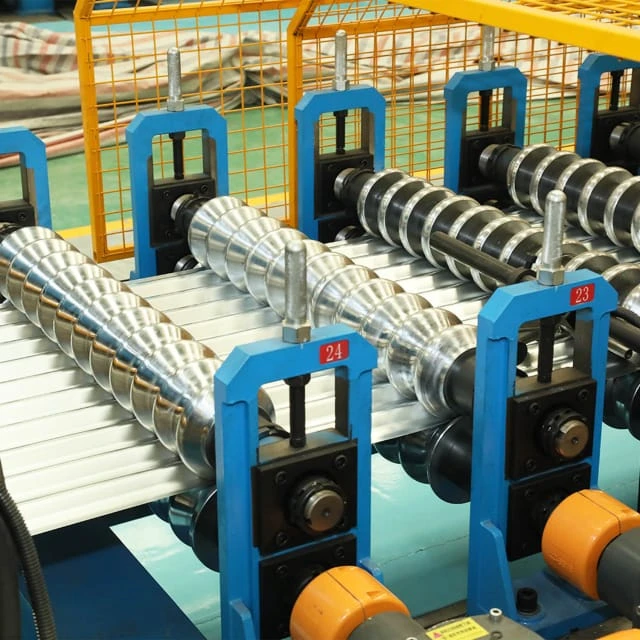
En comparación con los métodos de conformado alternativos, el conformado por rodillos ofrece un proceso continuo y altamente controlado que minimiza el desperdicio manteniendo al mismo tiempo una geometría de perfil consistente. Este artículo explica cómo el perfilado mejora la utilización del material, los factores técnicos detrás de esto y por qué es moderno máquinas perfiladoras son los preferidos por los fabricantes centrados en la eficiencia y el control de costes.
Conformación continua versus procesamiento por lotes
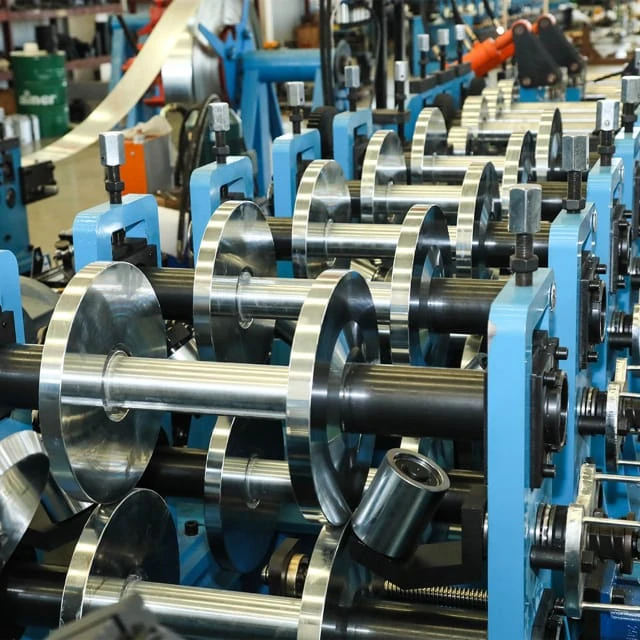
Una de las principales ventajas del perfilado radica en su naturaleza de producción continua. La tira de acero se alimenta directamente desde la bobina a la línea de conformación de rodillos, se le da forma gradualmente a través de múltiples estaciones de formación y se corta a lo largo sin interrupción.
Por el contrario, los procesos por lotes, como el frenado por presión o el estampado, normalmente requieren:
- Corte en blanco individual
- Múltiples pasos de manipulación
- Mayor pérdida de ajuste
El conformado continuo de rodillos elimina cortes y manipulaciones innecesarios, lo que permite convertir casi todo el ancho de la bobina en producto terminado.
Control preciso del ancho y espesor de la tira
Los perfiles de perfilado están diseñados para coincidir con el ancho exacto de la bobina entrante. Debido a que el proceso no requiere recorte durante el conformado, la chatarra de bordes prácticamente se elimina.
Factores clave incluyen:
- Selección precisa del ancho de la bobina
- Diseño de flor en rollo optimizado
- Control consistente del espesor del material
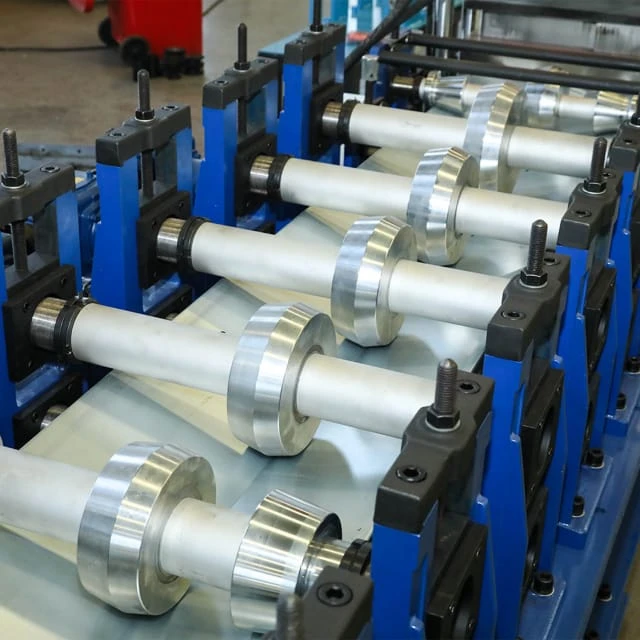
Moderno máquinas formadoras de rollos en frío mantenga una guía estable de la tira y una presión de formación, asegurando que la deformación del material esté controlada en lugar de excesiva.
La deformación gradual reduce la tensión del material
A diferencia del conformado por prensa, que aplica una gran fuerza en una sola operación, el conformado por rodillos da forma al material gradualmente en múltiples estaciones. Esta deformación controlada:
- Conserva la resistencia del material
- Previene grietas o desgarros
- Reduce la necesidad de espacios en blanco de gran tamaño
Como resultado, los fabricantes pueden utilizar calibres más delgados sin comprometer el rendimiento estructural, mejorando directamente la utilización del material.
El punzonado en línea minimiza el desperdicio
Muchos perfiles formados en rollo requieren agujeros, ranuras o muescas. Con sistemas de punzonado en línea, estas características se crean durante el proceso de formación en lugar de como una operación separada.
Beneficiile includ:
- Eliminación del procesamiento secundario
- Reducción de chatarra por punzonado desalineado
- Mayor precisión posicional
Unidades de punzonado integradas en máquinas perfiladoras están sincronizados con la velocidad de la línea, lo que garantiza un uso eficiente del material.
Precisión optimizada de corte a longitud
El desperdicio de material ocurre a menudo cuando la precisión de la longitud es inconsistente. Uso avanzado de líneas de perfilado sistemas de corte volador servocontrolados para mantener longitudes de corte precisas.
Corte preciso:
- Reduce las piezas fuera de especificación
- Evita la acumulación de secciones cortas inutilizables
- Mejora el rendimiento general
Esto es particularmente importante en la producción a largo plazo, como correas, miembros de estructura y paneles para techos.
Reducción de chatarra mediante control de proceso estable
Un proceso de perfilado estable produce menos piezas defectuosas. Los contribuyentes clave incluyen:
- Marcos de máquinas rígidos
- Herramientas de rodillos de precisión
- Sistemas de accionamiento estables
- Parámetros de línea controlados por PLC
Al mantener condiciones de formación constantes, los fabricantes minimizan los desechos iniciales y reducen el desperdicio durante los cambios de velocidad o las transiciones de materiales.
Comparación con métodos de formación alternativos
En comparación con el conformado o estampado de plegadora:
- El perfilado genera menos desperdicio de recortes
- El espesor del material se puede optimizar
- Los perfiles terminados requieren menos operaciones secundarias
Esto hace que el perfilado sea especialmente adecuado para perfiles estandarizados y de gran volumen donde la eficiencia material impacta directamente en la rentabilidad.
Beneficios de costos a largo plazo
La mejora en la utilización del material se traduce en:
- Menor costo de materia prima por unidad
- Reducción de la manipulación y eliminación de chatarra
- Mayor eficiencia general del equipo
Con el tiempo, estos beneficios mejoran significativamente el retorno de la inversión para los fabricantes que operan máquinas formadoras de rollos en frío.
Conclusión
El perfilado mejora la utilización del material mediante la producción continua, el control preciso de la tira, la deformación gradual y el procesamiento integrado. Al reducir la chatarra y maximizar el material utilizable, máquinas perfiladoras permitir a los fabricantes lograr una calidad constante y al mismo tiempo reducir los costos de producción.
Para empresas enfocadas en la eficiencia y escalabilidad, invertir en avanzado tecnología de conformado de rollos en frío es una decisión estratégica que ofrece valor a largo plazo.