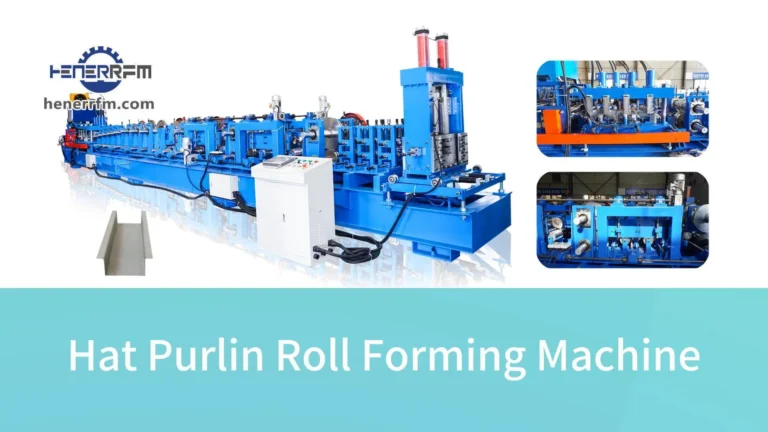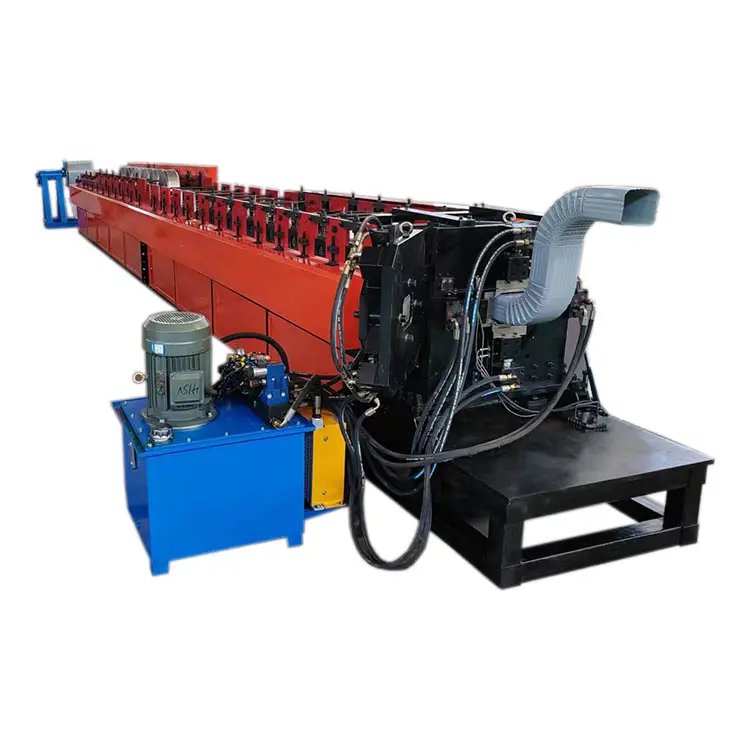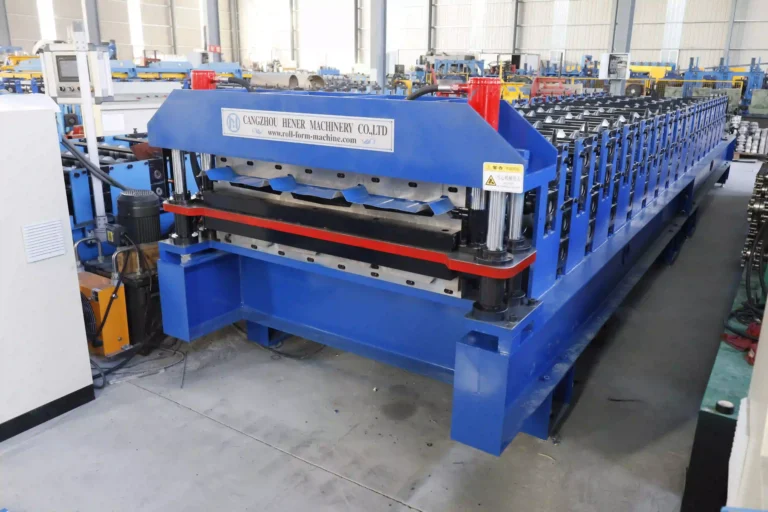




Introdução
Na fabricação de perfis metálicos, custo material muitas vezes representa a maior parcela das despesas gerais de produção Mesmo pequenas melhorias na utilização de materiais podem levar a economias de custos significativas ao longo de longas tiragens de produção Esta é uma das principais razões pelas quais tecnologia de formação de rolos frios é amplamente adotado para componentes metálicos repetíveis e de alto volume.
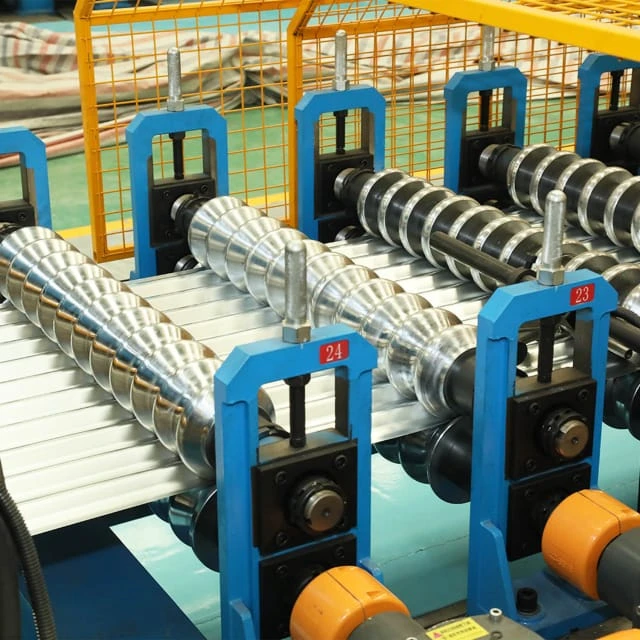
Comparado com métodos alternativos de conformação, a conformação por rolo oferece um processo contínuo e altamente controlado que minimiza o desperdício, mantendo uma geometria de perfil consistente Este artigo explica como a formação de rolos melhora a utilização do material, os fatores técnicos por trás disso e por que moderno máquinas de perfilagem de rolos são preferidos por fabricantes focados em eficiência e controle de custos.
Formação Contínua vs Processamento em Lote
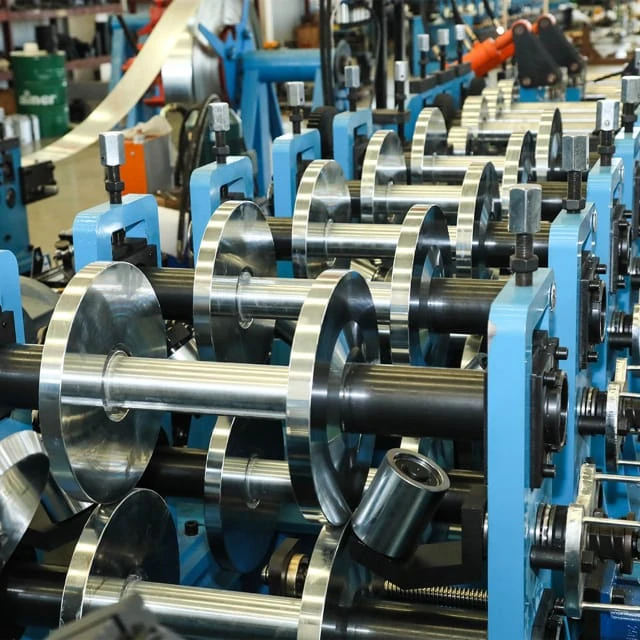
Uma das principais vantagens da conformação por rolo reside na sua natureza de produção contínua. A tira de aço é alimentada diretamente da bobina na linha de formação do rolo, moldada gradualmente através de várias estações de formação e cortada no comprimento certo sem interrupção.
Em contraste, os processos em lote, como a travagem por pressão ou a estampagem, normalmente exigem
- Corte individual em branco
- Múltiplas etapas de manuseio
- Maior perda de acabamento
A formação contínua do rolo elimina o corte e o manuseio desnecessários, permitindo que quase toda a largura da bobina seja convertida em produto acabado.
Controle preciso da largura e espessura da tira
Os perfis de formação de rolo são projetados para combinar com a largura exata da bobina de entrada Porque o processo não requer corte durante a formação, a sucata de borda é praticamente eliminada.
Os principais fatores incluem:
- Seleção precisa da largura da bobina
- Design otimizado de flor de rolo
- Controle consistente da espessura do material
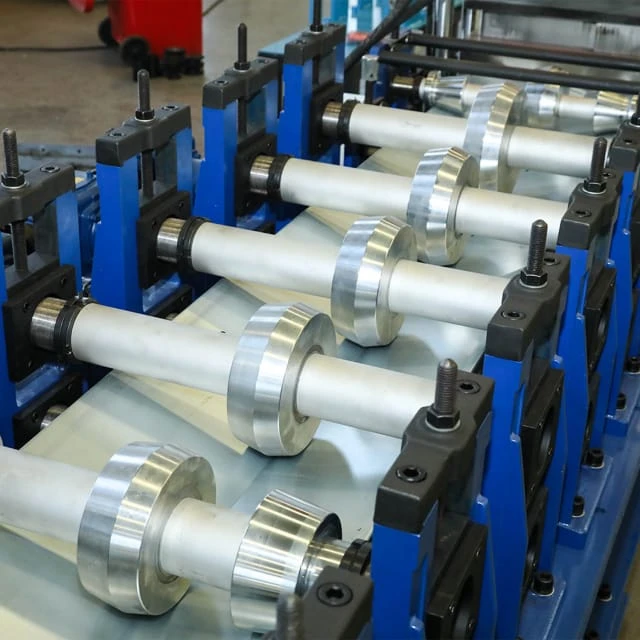
Moderno máquinas de conformação a frio mantenha a orientação estável da tira e a pressão de formação, garantindo que a deformação do material seja controlada em vez de excessiva.
Deformação Gradual Reduz o Estresse Material
Ao contrário da formação por prensa, que aplica alta força em uma única operação, a formação de rolos molda o material gradualmente em várias estações Esta deformação controlada:
- Preserva a resistência do material
- Evita rachaduras ou rasgos
- Reduz a necessidade de espaços em branco superdimensionados
Como resultado, os fabricantes podem usar medidores mais finos sem comprometer o desempenho estrutural, melhorando diretamente a utilização do material.
A perfuração em linha minimiza o desperdício
Muitos perfis formados por rolo requerem furos, ranhuras ou entalhes. Com sistemas de puncionamento em linha, esses recursos são criados durante o processo de conformação e não como uma operação separada.
Os benefícios incluem:
- Eliminação do processamento secundário
- Sucata reduzida de perfuração desalinhada
- Maior precisão posicional
Unidades de perfuração integradas ligadas máquinas de perfilagem de rolos são sincronizados com a velocidade da linha, garantindo o uso eficiente do material.
Precisão otimizada de corte ao comprimento
O desperdício de material geralmente ocorre quando a precisão do comprimento é inconsistente. Uso avançado de linhas formadoras de rolos sistemas de corte de voo servo-controlados para manter comprimentos de corte precisos.
Corte preciso:
- Reduz peças fora das especificações
- Evita a acumulação de secções curtas inutilizáveis
- Melhora o rendimento global
Isto é particularmente importante na produção de longo prazo, como terças, membros de estrutura e painéis de cobertura.
Redução de sucata por meio de controle estável de processos
Um processo estável de formação de rolos produz menos peças defeituosas Os principais contribuintes incluem
- Quadros rígidos da máquina
- Ferramentas de rolo de precisão
- Sistemas de acionamento estáveis
- Parâmetros de linha controlados por PLC
Ao manter condições de conformação consistentes, os fabricantes minimizam a sucata inicial e reduzem o desperdício durante mudanças de velocidade ou transições de materiais.
Comparação com Métodos de Formação Alternativos
Quando comparado com a conformação ou estampagem do freio de prensa:
- A formação de rolos gera menos resíduos de acabamento
- A espessura do material pode ser otimizada
- Perfis finalizados exigem menos operações secundárias
Isto torna a formação de rolos particularmente adequada para perfis padronizados e de alto volume onde a eficiência do material impacta diretamente a lucratividade.
Benefícios de custo de longo prazo
A utilização melhorada do material traduz-se em
- Menor custo de matéria-prima por unidade
- Manuseio e descarte reduzidos de sucata
- Maior eficiência geral do equipamento
Com o tempo, esses benefícios melhoram significativamente o retorno do investimento para os fabricantes que operam máquinas de conformação a frio.
Conclusão
A formação de rolos melhora a utilização do material através da produção contínua, controle preciso da tira, deformação gradual e processamento integrado Ao reduzir a sucata e maximizar o material utilizável, máquinas de perfilagem de rolos permita que os fabricantes alcancem uma qualidade consistente e, ao mesmo tempo, reduzam os custos de produção.
Para empresas focadas em eficiência e escalabilidade, investindo em avançados tecnologia de formação de rolos frios é uma decisão estratégica que agrega valor a longo prazo.