




Introdução
A estrutura de aço de bitola leve (LGSF) tornou-se um sistema de construção amplamente adotado em projetos de construção residenciais, comerciais e modulares Em comparação com estruturas tradicionais de madeira ou concreto, as ofertas de estrutura de aço de bitola leve qualidade consistente, precisão dimensional, instalação rápida e durabilidade a longo prazo.
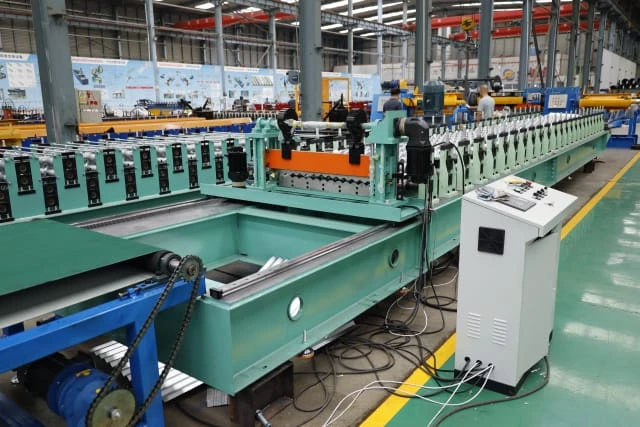
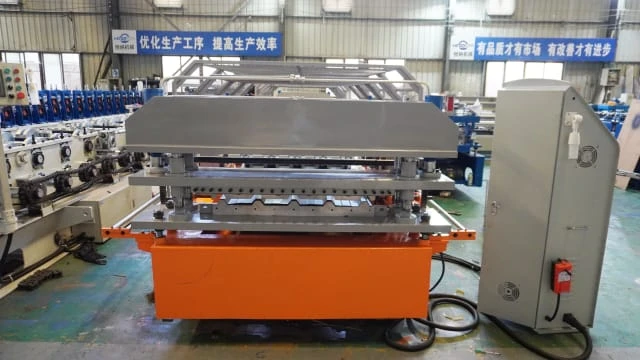
Do ponto de vista da fabricação, o LGSF depende fortemente tecnologia de formação de rolos frios. Pinos, faixas, vigas e outros membros de enquadramento são produzidos com recurso a especialistas máquinas de perfilagem de aço leve, garantindo perfis uniformes e tolerâncias repetíveis em grandes volumes de produção.
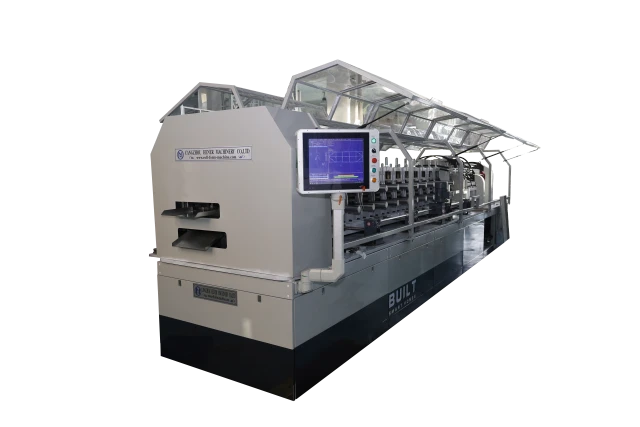
Este artigo explica como funcionam os sistemas de estrutura de aço de bitola leve, onde são comumente usados e por quê máquinas de perfilagem de rolos são essenciais para uma produção confiável de LGS.
O que é estrutura de aço leve?
A estrutura de aço de bitola leve refere-se a sistemas estruturais feitos de bobinas de aço galvanizado de bitola fina, normalmente variando de 0,6 mm a 2,0 mm de espessura. Esses componentes são formados em formas precisas que fornecem resistência estrutural, mantendo baixo o peso geral do edifício.
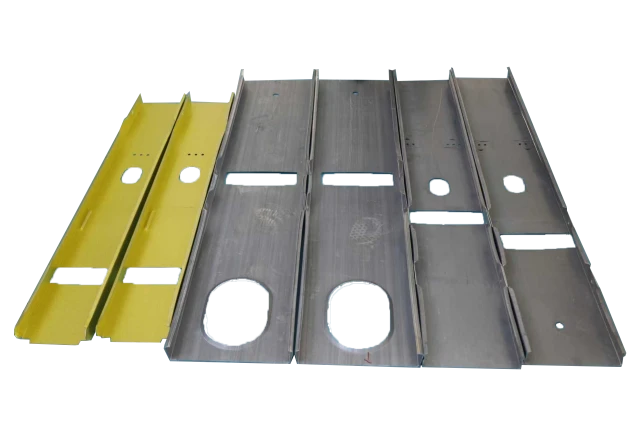
Os componentes comuns do LGSF incluem:
- Pinos parede
- Faixas (corredores superiores e inferiores)
- Vigas piso
- Canais teto
- Membros contraventamento
Todos esses perfis são fabricados em máquinas de conformação a frio, que moldam a tira de aço gradualmente através de uma série de estações de formação sem alterar as propriedades mecânicas do material.
Principais vantagens da estrutura de aço leve
Precisão e consistência dimensional
Ao contrário da madeira, o aço não deforma, encolhe ou torce ao longo do tempo A formação de rolos garante que cada membro da estrutura seja produzido com dimensões exatas, o que é crítico para a pré-fabricação e construção modular.
Alta relação resistência-peso
O aço de bitola leve oferece excelente desempenho de suporte de carga, mantendo-se leve Isso reduz os requisitos de fundação e simplifica o transporte e o manuseio no local.
Velocidade de Construção
Os furos pré-perfurados e os perfis padronizados permitem a montagem rápida Usando componentes de enquadramento produzidos em Máquinas formadoras de rolos LGS, os instaladores podem alcançar cronogramas de projeto mais curtos com menos ajustes no local.
Durabilidade e Resistência à Corrosão
A maioria dos componentes LGS é feita de aço galvanizado ou revestido, proporcionando proteção a longo prazo contra corrosão, umidade e pragas.
Processo de fabricação usando máquinas formadoras de rolos
A produção de componentes de estrutura de aço de bitola leve segue um processo contínuo e controlado:
- Decobrimento: A bobina de aço galvanizado é carregada no desbobinador e alimentada na linha.
- Nivelamento e orientação: A tira é achatada e alinhada antes de formar.
- Puncionando: Furos de serviço, ranhuras e pontos de conexão são perfurados em linha usando unidades de perfuração hidráulicas ou servo.
- Formação de rolo: A tira passa por múltiplas estações de formação que gradualmente moldam o aço em pinos ou trilhos.
- Corte no comprimento: Os perfis são cortados com precisão usando sistemas de corte voador.
Tipos comuns de perfil LGS
- C Studs: Membros verticais primários de suporte de carga em sistemas de parede
- Faixas U: Usado como corredores superiores e inferiores para manter os pinos no lugar
- Vigas de piso: Projetado para suportar cargas de piso com geometria de seção otimizada
- Canais de chapéu: Usado para sistemas de furring e teto
Cada perfil requer ferramentas de rolo específicas e layouts de punção, que podem ser personalizados em avançado máquinas de conformação a frio.
Aplicações de Light Gauge Steel Framing
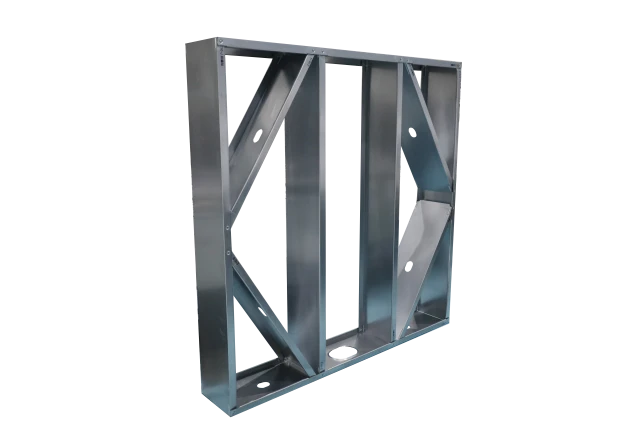
A estrutura de aço de bitola leve é amplamente utilizada em:
- Habitação residencial e apartamentos
- Edifícios comerciais de escritórios
- Escolas e instalações de saúde
- Construção modular e pré-fabricada
- Escritórios temporários e permanentes
Sua compatibilidade com o design e pré-fabricação BIM torna o LGSF particularmente atraente para métodos de construção modernos.
Por que a qualidade de conformação de rolos é importante no LGSF
Como os componentes LGS são montados com tolerâncias apertadas, qualquer desvio dimensional pode afetar o alinhamento da parede, o ajuste do painel e o desempenho estrutural de alta qualidade máquinas de perfilagem de rolos garantir:
- Geometria precisa do perfil
- Posicionamento consistente do furo
- Estresse material mínimo
- Acabamento de superfície liso
Fabricantes experientes investem em ferramentas de rolo de precisão, sistemas de acionamento estáveis e controles avançados de PLC para manter uma saída consistente.
A estrutura de aço de bitola leve é um sistema de construção comprovado e eficiente que depende da fabricação de precisão Usando profissional máquinas de conformação a frio, os fabricantes podem produzir componentes de enquadramento confiáveis que atendem aos padrões modernos de construção e suportam construção rápida e de alta qualidade.
Compreender o LGSF tanto do ponto de vista estrutural quanto de fabricação ajuda construtores, desenvolvedores e compradores de equipamentos a tomar decisões informadas ao selecionar soluções formadoras de rolos de aço de bitola leve.