


Máquina de perfilagem para o mercado africano
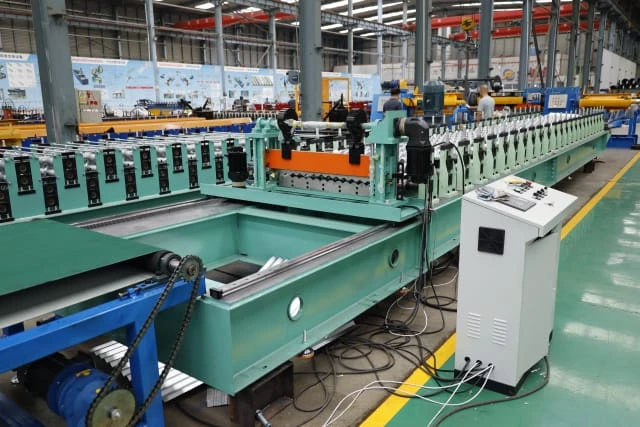
O mercado de África está a expandir-se rapidamente na construção metálica e nos componentes de construção em aço. Os fabricantes exigem máquinas de conformação a frio que são confiáveis, fáceis de manter e adaptáveis a condições variadas de potência e material.
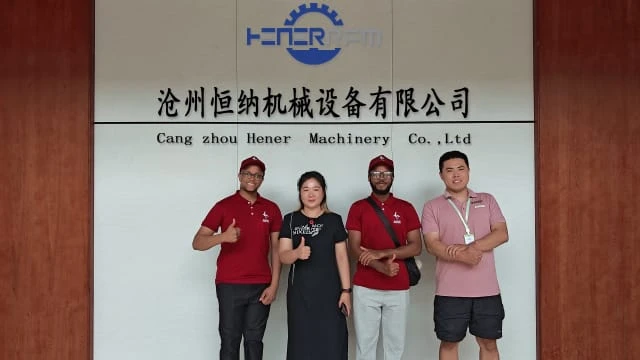
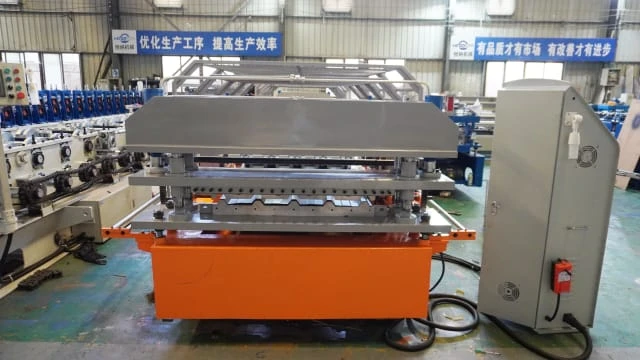
Este artigo fornece um guia prático para fornecedores e compradores que procuram otimizar seleção de máquina formadora de rolos para África, com foco na flexibilidade operacional, durabilidade e compatibilidade com infraestrutura local.
Considerações-chave para o mercado africano
Fonte de Alimentação e Adaptabilidade Elétrica
Muitos países africanos têm tensão ou frequência inconsistentes As linhas formadoras de rolos devem ser compatíveis com
- Opções de tensão de 220 V /380 V /415V
- Diferenças de frequência de 50 Hz/60 Hz
- Motores robustos capazes de lidar com flutuações de tensão
A estabilização da tensão e os sistemas adequados de proteção do motor são essenciais.
Tolerância de materiais e qualidade da bobina
A qualidade da bobina de aço varia amplamente na África As máquinas devem tolerar:
- Variação de espessura
- Defeitos menores nas bordas
- Variabilidade nas propriedades mecânicas
Guias de entrada ajustáveis, tolerâncias de estação de formação e designs de flores de rolo adaptáveis ajudam a manter a consistência do perfil, apesar da variação do material.
Manutenção e Operação Simples
Devido ao limitado suporte técnico local, as máquinas devem ser fáceis de operar e manter:
- Pontos de lubrificação acessíveis
- Sistemas hidráulicos ou pneumáticos simples
- Interface PLC amigável
- Peças sobresselentes padronizadas para a substituição rápida
Isso reduz o tempo de inatividade e garante confiabilidade a longo prazo.
Aplicações Comuns
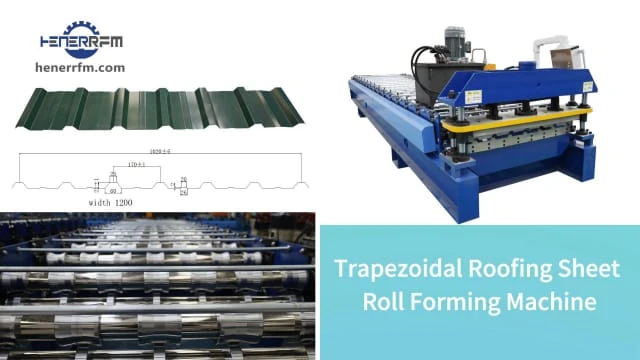
- Folhas telhado e painéis costurados em pé para edifícios residenciais e comerciais
- Purlins C/Z para estruturas de estrutura de aço e armazém
- Componentes de aço de bitola leve para carcaça pré-fabricada
Estes perfis são muito procurados em várias regiões africanas.
Considerações de envio e instalação
Devido às longas distâncias e à infraestrutura variável:
- As máquinas são frequentemente enviadas em seções modulares
- A montagem no local é necessária com o mínimo de ferramentas especializadas
- Documentação abrangente e orientação remota são valiosas
Esses fatores influenciam prazo de execução e custo de instalação.
Conclusão
Ao selecionar um máquina formadora de rolos para África, concentre-se em adaptabilidade, design robusto e facilidade de manutenção. Linhas adequadamente projetadas podem lidar com a variabilidade local de material e energia, fornecendo saída consistente para aplicações de cobertura, estrutura e pré-fabricação.