




Introduction
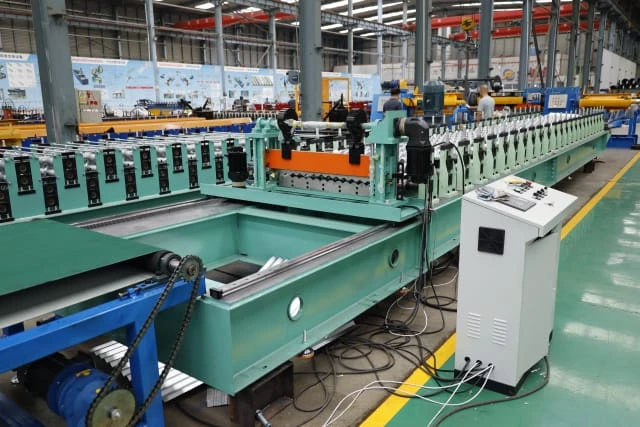
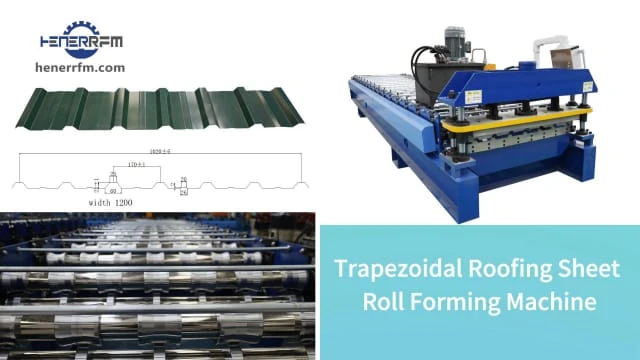
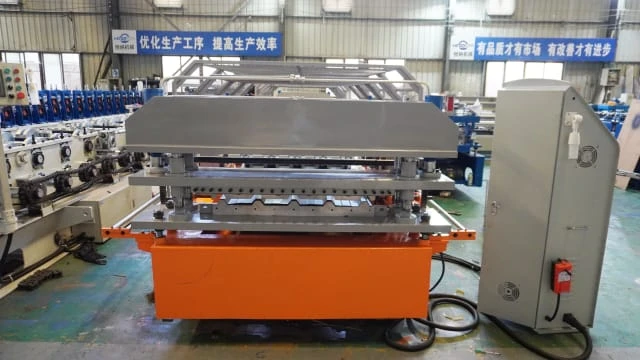
Correct roll forming machine installation guide is crucial for achieving stable, high-precision production. Improper setup can lead to defects, increased wear, and operational downtime.
This guide explains step-by-step installation and commissioning practices used by experienced roll forming machine manufacturers.
Step 1: Site Preparation
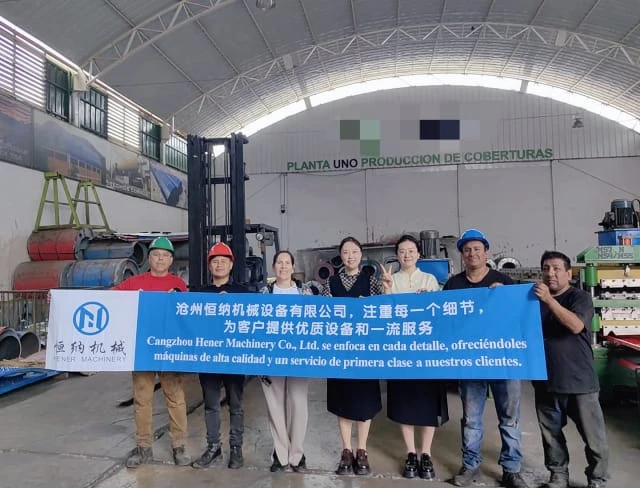
- Ensure the floor is level and can bear the weight of the machine
- Allocate sufficient space for decoilers, forming mill, run-out tables, and maintenance access
- Confirm electrical supply matches machine specifications
A well-prepared site reduces installation challenges and ensures safety.
Step 2: Machine Positioning and Leveling
- Place machine sections (decoiler, forming mill, punch unit, cut-off, run-out) in the designated layout
- Use precision leveling tools to ensure horizontal and vertical alignment
- Check base frame flatness and anchor bolts
Proper leveling prevents profile twist, uneven wear, and feeding issues.
Step 3: Mechanical Assembly
- Assemble forming stations, drive shafts, rollers, and side guides
- Connect hydraulic, pneumatic, and lubrication systems
- Verify roller alignment and shaft parallelism
Meticulous assembly ensures smooth forming and long-term equipment reliability.
Step 4: Electrical and Control System Setup
- Connect PLC, HMI, and motor control systems
- Verify wiring and grounding according to manufacturer instructions
- Test each motor, servo drive, and sensor for functionality
Safety checks at this stage prevent accidents during trial runs.
Step 5: Trial Run and Adjustment
- Start the line at low speed to observe strip feeding, forming, punching, and cut-off
- Check dimensional accuracy, hole positions, and surface quality
- Adjust roller gaps, side guides, and tension as needed
Trial runs ensure the line produces profiles within tolerance specifications.
Step 6: Operator Training and Documentation
- Train operators on machine operation, safety protocols, and routine maintenance
- Provide manuals, schematics, and spare parts lists
- Establish maintenance schedules and troubleshooting guidelines
Operator competence is essential for consistent production.
Step 7: Safety Verification
- Confirm emergency stop buttons are functional and accessible
- Check guards and protective barriers around moving parts
- Ensure electrical and mechanical safety systems are fully operational
Safety verification prevents workplace accidents and protects both personnel and equipment.
Conclusion
Proper installation and commissioning of a cold roll forming machine are fundamental for achieving reliable production, minimal defects, and long-term equipment performance. By following systematic steps from site preparation to safety verification, manufacturers can ensure their roll forming line operates at optimal efficiency.