



Даже с хорошо продуманным станок для холодной прокатки, производственные проблемы могут возникнуть, если условия материала, установка инструмента или параметры линии не контролируются должным образом. В крупносерийном производстве небольшие отклонения могут быстро привести к лому, простою или жалобам клиентов.
В этой статье обобщается наиболее распространенные проблемы в профилегибочном производстве и объясняет их причины и корректирующие действия, используя практическую терминологию, знакомую операторам профилегибочной обработки, инженерам и производителям оборудования.
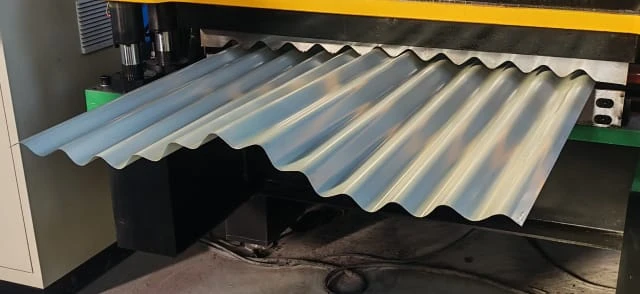
Краевая волна
Описание
Кромковая волна после формирования выглядит как рябь или волнистость вдоль кромок полосы. Это один из наиболее часто встречающихся дефектов профилегибочной обработки, особенно в широких или тонких профилях.
Общие причины
- Чрезмерное сжатие краев полосы
- Неправильный дизайн рулонного цветка
- Неравномерная толщина материала или механические свойства
- Недостаточное выравнивание перед формированием
Практические решения
- Переоцените развитие цветков рулонов, чтобы сбалансировать формирующие силы
- Улучшите выравнивание полос и выравнивание входа
- Уменьшите переформирование на ранних станциях
- Проверьте согласованность материала от поставщика стали
Склонение (Продольный развал)
Описание
Под смычком понимается кривизна по длине готового профиля. Этот дефект становится более заметным в длинных деталях, таких как прогоны или элементы каркаса.
Общие причины
- Неравномерное формирующее давление между верхними и нижними роликами
- Несогласованные формовочные станции
- Непоследовательное напряжение подачи полосы
Практические решения
- Проверьте выравнивание роликов и параллельность валов
- Балансируйте зацепление верхнего и нижнего валков
- Стабилизируйте систему натяжения и подачи декоилера
Профиль Кручение
Описание
Закручивание происходит, когда профиль вращается вдоль своей продольной оси во время или после формирования. эта проблема часто затрагивает асимметричные участки, такие как прогоны Z или сложные пользовательские профили.
Общие причины
- Несбалансированная конструкция валков для асимметричных профилей
- Неправильное расположение боковой направляющей n- Недостаточное количество формовочной станции
Практические решения
- Оптимизируйте конструкцию валков для обеспечения симметрии, где это возможно
- Отрегулируйте боковые направляющие для поддержания контроля осевой линии
- Добавьте формовочные станции для более равномерного распределения деформации
Отклонение длины и неточное сокращение длины
Описание
Отклонение длины происходит, когда готовые детали не соответствуют запрограммированной длине реза. Это имеет решающее значение в проектах, требующих точного выравнивания установки.
Общие причины
- Проскальзывание кодера или неправильная калибровка
- Несогласованная скорость линии во время резки
- Механическая люфт в системе отсечки
Практические решения
- Проверьте и перекалибруйте энкодеры для измерения длины
- Для большей точности используйте системы отсечки полета с сервоприводом
- Сохраняйте механизм отсечки и устраняйте механический люфт
Неточность позиции удара
Описание
Неточности перфорации приводят к смещению отверстий или пазов, что влияет на сборку и установку после них.
Общие причины
- Пробивка не синхронизирована со скоростью линии
- Проскальзывание полосы при штамповке
- Ношеные перфораторы
Практические решения
- Синхронизируйте перфорацию со скоростью линии, управляемой ПЛК
- Улучшите зажим полосы во время штамповки
- Замените или повторно измельчите изношенные наборы пуансонов и штампов
Поверхностные царапины и повреждения покрытия
Описание
Царапины на поверхности или повреждение покрытия неприемлемы для видимых применений, таких как кровельные и облицовочные панели.
Общие причины
- Загрязнения на роликах или поверхности полосы
- Чрезмерное давление ролика
- Плохое обращение за столом для выбега
Практические решения
- Регулярно очищайте ролики и направляющие входа
- Уменьшите ненужное давление формования
- Улучшите конструкцию стола для биения и обработку профиля
Непоследовательные размеры профиля
Описание
Непоследовательность размеров может проявляться в изменении ширины фланца, высоты полотна или угла.
Общие причины
- Износ ролика или неправильная настройка
- Изменение толщины материала
- Температурные эффекты при длительных производственных циклах
Практические решения
- Контролируйте износ роликов и планируйте техническое обслуживание
- Проверьте спецификации поступающего материала
- Осуществлять периодические проверки размеров во время производства
Важность устранения неполадок системного уровня
Большинство проблем с профилированием валков вызваны не одним компонентом, а взаимодействия системного уровня. Эффективное устранение неполадок требует оценки всей линии профилирования валков: от удаления накипи и выравнивания до обработки формования, резки и биения.

Опытный производители станков для профилирования рулонов сосредоточьтесь на комплексном проектировании и руководстве по настройке, чтобы свести к минимуму эти проблемы.
Заключение
Общие производственные проблемы профилирования, такие как краевая волна, изгиб, скручивание и отклонение длины, можно эффективно контролировать с помощью правильной настройки станка, конструкции инструмента и управления процессом.
Понимая коренные причины и применяя практические решения, производители могут поддерживать стабильную производительность и стабильное качество Формовочный станок для металлопроката или полный линия прокатки.