




Введение
В отрасли холодной прокатки профильная конструкция определяет как конфигурацию станка, так и конечное применение. В отличие от прокатки под давлением, прокатные станки Они оптимизированы для получения длинных профилей с постоянным поперечным сечением и высокой стабильностью размеров. Эти профили широко используются в строительных системах, промышленных зданиях, конструкциях для возобновляемой энергетики и проектах легких стальных каркасов.

Понимание общего Профили для профилирования и их применение Эта статья помогает покупателям выбрать правильную конфигурацию профилировочного станка, конструкцию оснастки и вспомогательные системы. В ней обобщены наиболее широко используемые профилированные профили на мировых рынках и объяснено, где и почему они применяются.
Профили стропильных балок C, Z и U
Характеристики профиля
Профили C, Z и U являются одними из наиболее распространенных профилей, изготовленных методом прокатки, в сталестроительной отрасли. Как правило, они производятся из оцинкованных или предварительно окрашенных стальных рулонов с использованием... станок для профилирования прогонов оснащен системами предварительной перфорации, пробивки отверстий в полотне и сервоуправляемой резки.
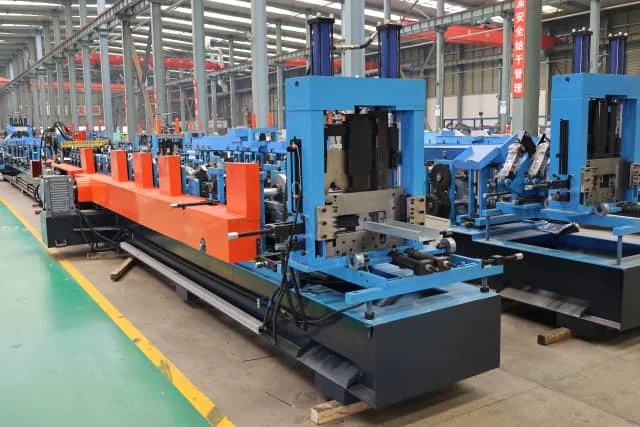
- С-образный прогон: Симметричное сечение, простота монтажа, широко используется в промышленных зданиях.
- Z-образный прогон: Конструкция со смещенным фланцем, подходящая для нахлесточного монтажа в кровлях с большими пролетами.
- Канал U: Простая конструкция, часто используемая для каркаса, опор и краевых элементов.
- Сигма ПурлинОптимизированная конструкция поперечного сечения с повышенной несущей способностью и жесткостью, идеально подходит для кровельных и стеновых систем с большими пролетами.
Эти профили, полученные методом прокатки, обычно изготавливаются толщиной от 1,5 до 3,0 мм в зависимости от требований к несущей способности конструкции.
Типичные области применения
- цеха и склады из стальных конструкций
- Сельскохозяйственные постройки
- Портальные каркасные конструкции
- Вторичные системы крепления кровли и стен
Кровельные и стеновые панели
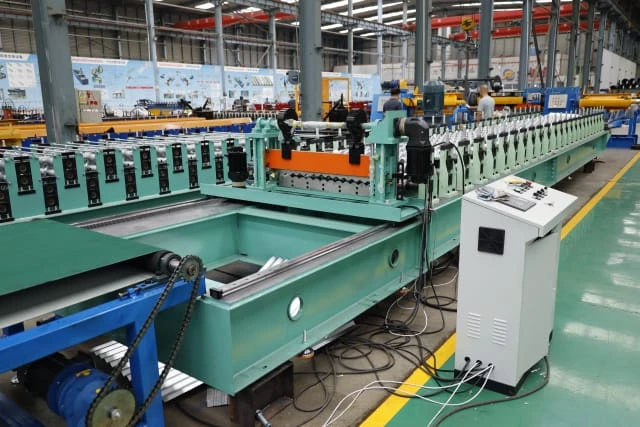
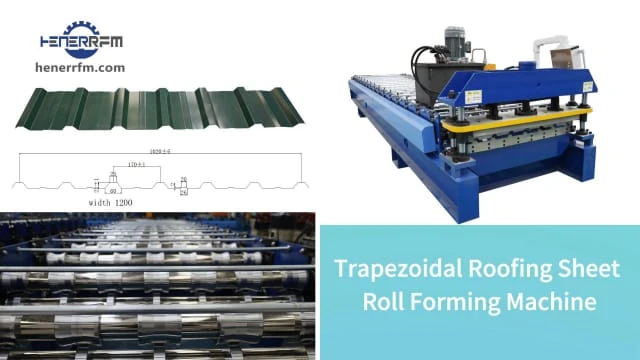
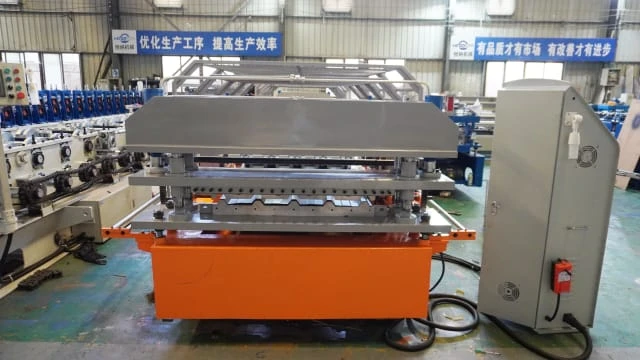
Кровельные и стеновые панели — это классические изделия, изготовленные методом прокатки, известные своей прочностью и экономичностью. Эти профили производятся с высокой скоростью. линии для формовки кровельных листов, Часто с гидравлическими или сервоприводными системами отсечки.
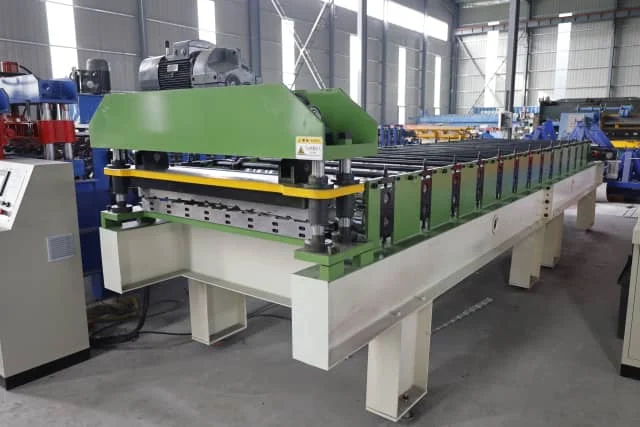
К распространенным типам гофрированного картона относятся:
- Гофрированные профили
- Трапецеидальные профили
- Остекленные профили
Толщина материала обычно колеблется от 0,25 до 0,6 мм, поэтому скорость производства и качество поверхности имеют решающее значение.
Типичные области применения
- Промышленная кровля и облицовка стен
- Временные здания и укрытия
- Сельскохозяйственные и складские объекты
- Строительные проекты на развивающихся рынках
Профили металлических настилов (настил пола и кровля)
Характеристики профиля
Профили металлических настилов — это конструктивные элементы, сформированные с использованием станки для профилирования металлических дек. Эти профили, изготовленные методом прокатки, имеют глубокие ребра, предназначенные для повышения несущей способности и сцепления с бетоном в композитных системах перекрытий.
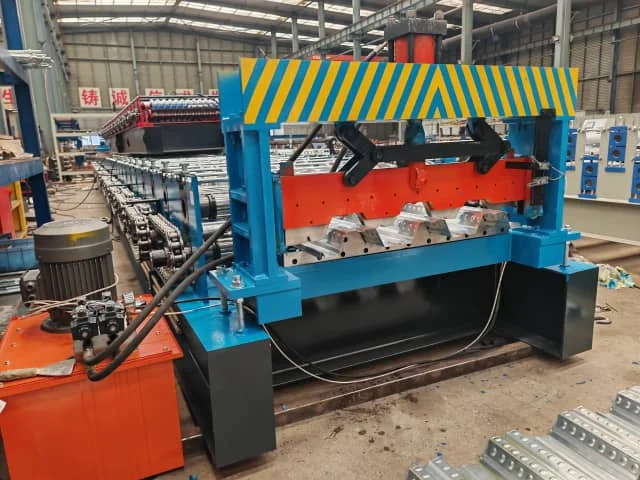
Профили палуб обычно классифицируются следующим образом:
- Палубное покрытие (композитное покрытие)
- Кровельное полотно (несущая конструкция кровли)
- Опалубка (временная бетонная опалубка)
Для изготовления изделий обычно используется высокопрочная оцинкованная сталь, и крайне важен строгий контроль допусков.
Типичные области применения
- Коммерческие здания
- Высотные стальные конструкции
- Промышленные предприятия
- Многоуровневые парковки
Профили для каркаса из тонколистовой стали
Характеристики профиля
Профили из тонколистовой стали (LGSF) изготавливаются с высокой точностью. станки для профилирования тонколистовой стали. К распространенным элементам относятся стойки, направляющие, балки перекрытия и соединительные каналы.
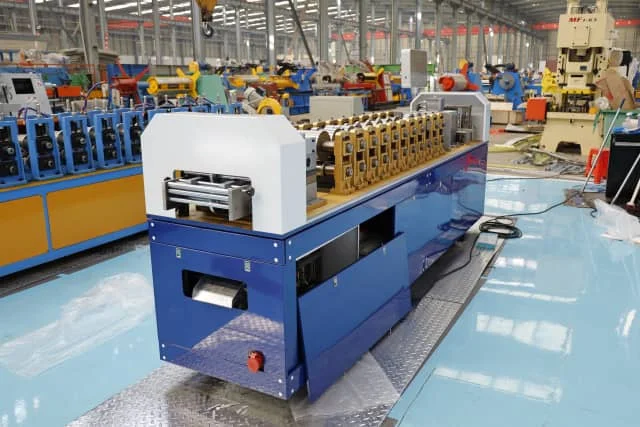
Для изготовления этих профилей методом профилирования требуются:
- Высокая точность размеров
- Аккуратная пробивание отверстий для обслуживания.
- Минимальная деформация материала
В современные линии профилирования для производства LGSF часто интегрируются сервоприводные перфорационные системы и системы маркировки в потоке.
Типичные области применения
- Системы сборных домов
- Модульные здания
- Внутренние перегородки
- Коммерческие легкие стальные конструкции
Профили крепления солнечных фотоэлектрических панелей
Характеристики профиля
Профили для крепления солнечных панелей представляют собой специализированные профили, изготовленные методом прокатки, и предназначены для опорных систем фотоэлектрических панелей. Эти профили обычно изготавливаются из оцинкованной стали или стали с цинково-алюминиевым покрытием. Станки для профилирования профилей при монтаже солнечных фотоэлектрических панелей.
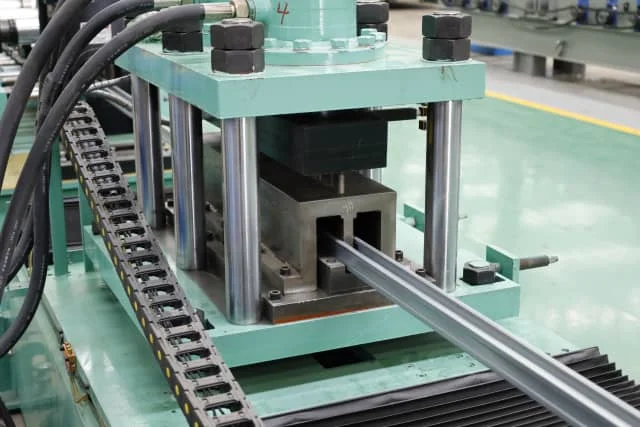
К общим характеристикам относятся:
- Прорезные отверстия для гибкой установки
- Высокая коррозионная стойкость
- Постоянная точность длины для сборки на месте.
Типичные области применения
- Наземные солнечные электростанции
- Солнечные фотоэлектрические системы на крыше
- Солнечные конструкции для навесов под автомобили
- Крупномасштабные проекты возобновляемой энергетики
Как выбор профилей для профилирования влияет на конструкцию профилировочного станка.
Каждый профиль, сформированный методом прокатки, напрямую влияет на:
- Количество роликовых станций
- Материал роликов и термообработка
- Конфигурация приводной системы
- Метод резки (резка на лету или резка с остановками)
По этой причине опытные производители станков для профилирования рулонов Перед изготовлением оснастки следует сосредоточиться на анализе профиля и моделировании процесса формования. Правильная конструкция снижает волнистость кромок, изгиб и скручивание во время высокоскоростного производства.
Заключение
Профили, изготовленные методом холодной прокатки, являются основой современного стального строительства и промышленного производства. От стандартных прогонов и кровельных листов до современных направляющих для солнечных батарей и несущих конструкций, профили, изготовленные методом холодной прокатки, обеспечивают непревзойденную эффективность, стабильность и масштабируемость.
Понимание распространенных профилей для профилирования и их практического применения позволяет покупателям принимать обоснованные решения при выборе. Формовочный станок для металлопроката или полный линия прокатки. Эти знания также помогают обеспечить долгосрочную стабильность производства и соответствие рыночному спросу.