



Введение
В производстве металлических профилей, материальная стоимость часто представляет наибольшую часть общих производственных расходов Даже небольшие улучшения в использовании материалов могут привести к значительной экономии затрат в течение длительных производственных циклов. это одна из ключевых причин, почему технология холодной прокатки широко применяется для изготовления многообъемных повторяемых металлических компонентов.
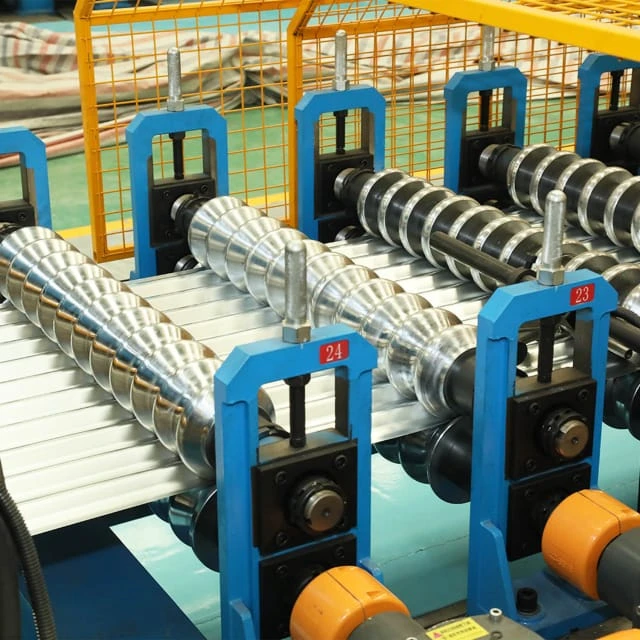
По сравнению с альтернативными методами формования, профилирование предлагает непрерывный и высококонтролируемый процесс, который сводит к минимуму отходы при сохранении постоянной геометрии профиля. Эта статья объясняет как профилирование улучшает использование материала, технические факторы, стоящие за этим, и почему современно прокатные станки предпочтительны производители, ориентированные на эффективность и контроль затрат.
Непрерывное формование и периодическая обработка
Одно из основных преимуществ профилирования заключается в его непрерывный производственный характер. Стальная полоса подается непосредственно из рулона в линию профилирования рулонов, постепенно формируется через несколько станций формования и непрерывно разрезается по длине.
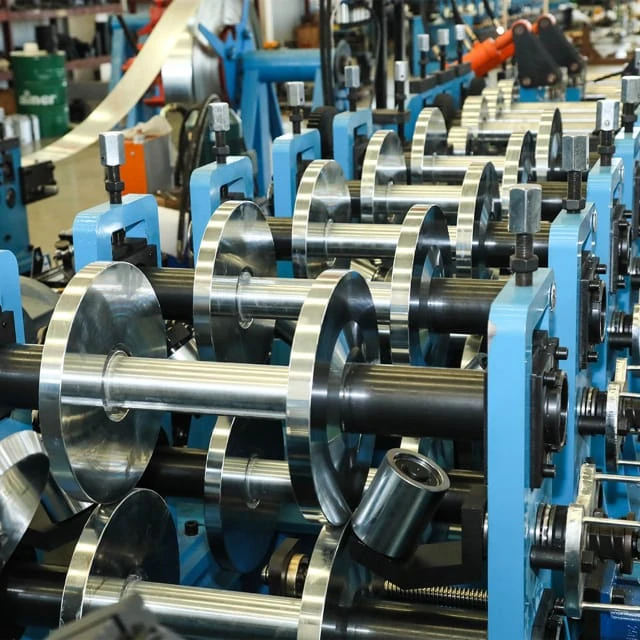
Напротив, такие периодические процессы, как торможение прессованием или штамповка, обычно требуют
- Индивидуальная заготовка резки
- Несколько этапов обработки
- Более высокая потеря отделки
Непрерывная профилировка рулона исключает ненужную резку и обработку, позволяя преобразовать почти всю ширину рулона в готовое изделие.
Точный контроль ширины и толщины полосы
Профили профили профилирования валков разработаны так, чтобы соответствовать точной ширине входящей катушки. потому что процесс не требует обрезки во время формования, краевой лом практически ликвидируется.
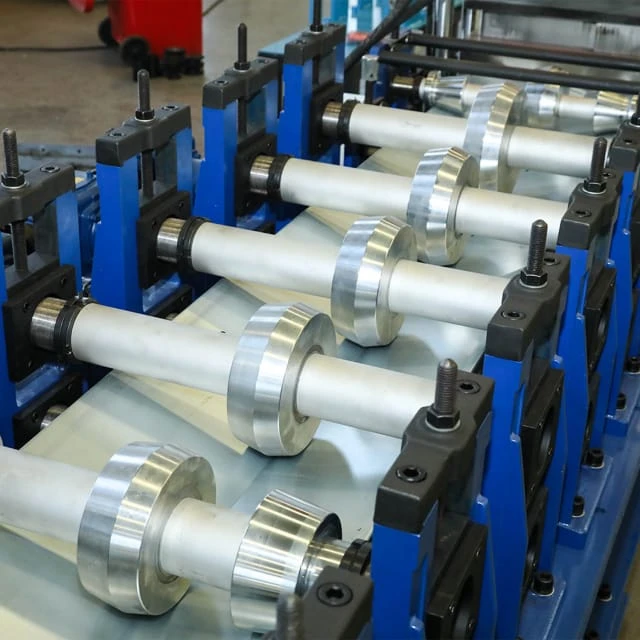
Ключевые факторы включают в себя:
- Точный выбор ширины катушки
- Оптимизированный дизайн рулонного цветка
- Последовательный контроль толщины материала
Современный станки для холодной прокатки поддерживайте стабильное направление полосы и давление формования, гарантируя, что деформация материала контролируется, а не чрезмерна.
Постепенная деформация снижает материальный стресс
В отличие от пресс-формовки, которая прикладывает высокую силу в одной операции, профилирование валков формирует материал постепенно через несколько станций. эта контролируемая деформация:
- Сохраняет прочность материала
- Предотвращает растрескивание или разрыв
- Уменьшает потребность в негабаритных заготовках
В результате производители могут использовать более тонкие калибры без ущерба для конструктивных характеристик, что напрямую улучшает использование материалов.
Встроенная перфорация минимизирует отходы
Многие профили, сформированные из рулонов, требуют отверстий, прорезей или выемок. с линейные перфорационные системы, эти особенности создаются в процессе формования, а не как отдельная операция.
Преимущества включают в себя:
- Устранение вторичной обработки
- Уменьшенный лом от несоосной штамповки
- Более высокая точность позиционирования
Интегрированные штамповочные агрегаты на прокатные станки синхронизируются со скоростью линии, обеспечивая эффективное использование материала.
Оптимизированная точность резки по длине
Материальные отходы часто возникают, когда точность длины непостоянна. передовые линии профилегибочной обработки используют сервоуправляемые системы отсечки полета для поддержания точной длины среза.
Точная резка:
- Уменьшает количество деталей, не соответствующих спецификациям
- Предотвращает накопление непригодных коротких участков
- Улучшает общую урожайность
Это особенно важно при длительном производстве, таком как прогоны, элементы каркаса и кровельные панели.
Сокращение лома за счет стабильного управления процессом
Стабильный процесс формования валков позволяет получить меньше дефектных деталей.К числу основных участников относятся
- Жесткие рамы машин
- Прецизионная рулонная оснастка
- Стабильные системы привода
- Параметры линии, управляемые ПЛК
Поддерживая постоянные условия формования, производители минимизируют пусковой лом и сокращают количество отходов во время изменения скорости или переходов материалов.
Сравнение с альтернативными методами формования
По сравнению с прессованием или штамповкой тормозов:
- Формование валков приводит к меньшему количеству отходов отделки
- Толщина материала может быть оптимизирована
- Готовые профили требуют меньше вторичных операций
Это делает профилирование рулонов особенно подходящим для этого объемные стандартизированные профили где эффективность использования материалов напрямую влияет на прибыльность.
Долгосрочные выгоды от затрат
Улучшение использования материала приводит к
- Более низкая стоимость сырья на единицу
- Сокращение обработки и утилизации лома
- Более высокая общая эффективность оборудования
Со временем эти преимущества значительно повышают окупаемость инвестиций для работающих производителей станки для холодной прокатки.
Заключение
Формование валков улучшает использование материала за счет непрерывного производства, точного контроля полосы, постепенной деформации и комплексной обработки. За счет сокращения лома и максимизации полезного материала, прокатные станки дать производителям возможность достичь стабильного качества при одновременном снижении производственных затрат.
Для компаний, ориентированных на эффективность и масштабируемость, инвестирование в передовые технологии технология холодной прокатки это стратегическое решение, которое приносит долгосрочную ценность.