



Введение
Правильный Инструкция по установке профилировочного станка имеет решающее значение для достижения стабильное, высокоточное производство. Неправильная настройка может привести к дефектам, повышенному износу и простоям в работе.
В данном руководстве пошагово описаны методы установки и ввода в эксплуатацию, используемые опытными производителями профилировочных станков.
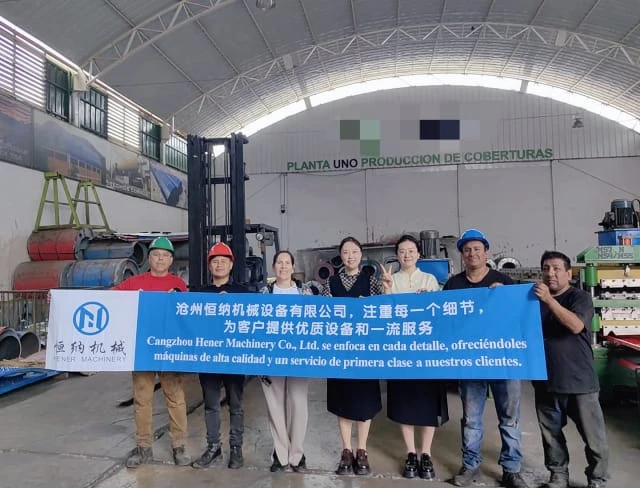
Шаг 1: Подготовка площадки
- Убедитесь, что пол ровный и выдержит вес машины.
- Выделите достаточно места для разматывателей, формовочного стана, выходных столов и доступа для технического обслуживания.
- Убедитесь, что электропитание соответствует техническим характеристикам машины.
Хорошо подготовленная площадка снижает сложности при монтаже и обеспечивает безопасность.
Шаг 2: Позиционирование и выравнивание оборудования.
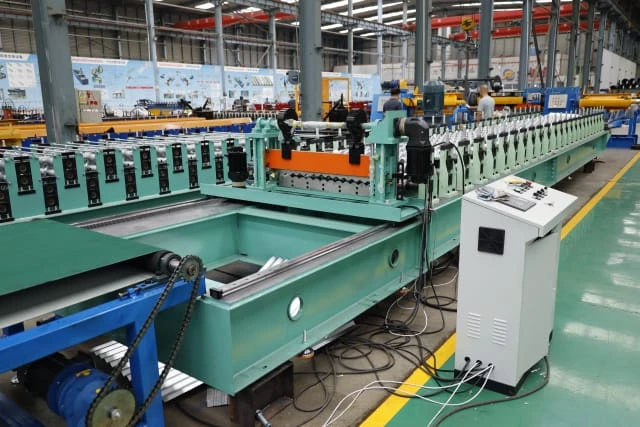
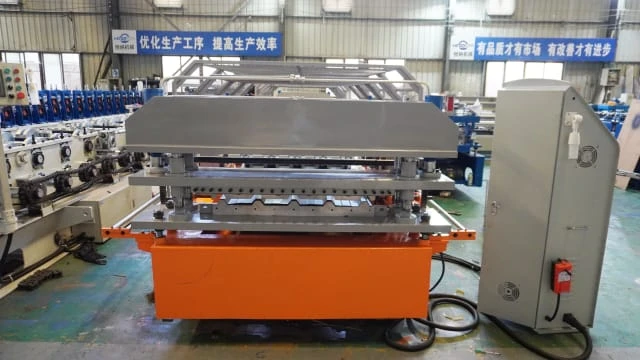
- Разместите секции станка (разматыватель, формовочный стан, штамповочный узел, отрезной стан, выходной станок) в соответствии с заданной схемой.
- Используйте прецизионные нивелиры для обеспечения горизонтального и вертикального выравнивания.
- Проверьте ровность основания рамы и анкерные болты.
Правильное выравнивание предотвращает перекручивание профиля, неравномерный износ и проблемы с подачей.
Шаг 3: Механическая сборка
- Соберите формовочные станции, приводные валы, ролики и боковые направляющие.
- Подключайте гидравлические, пневматические и смазочные системы.
- Проверьте соосность роликов и параллельность валов.
Тщательная сборка обеспечивает плавное формование и долговременную надежность оборудования.
Шаг 4: Настройка электрической и управляющей системы
- Подключение ПЛК, ЧМИ и систем управления двигателями.
- Проверьте проводку и заземление в соответствии с инструкциями производителя.
- Проверьте работоспособность каждого двигателя, сервопривода и датчика.
Проведение проверок безопасности на этом этапе предотвращает несчастные случаи во время испытательных заездов.
Шаг 5: Пробный запуск и корректировка
- Запустите линию на низкой скорости, чтобы понаблюдать за подачей ленты, формовкой, пробивкой и отрезкой.
- Проверьте точность размеров, расположение отверстий и качество поверхности.
- При необходимости отрегулируйте зазоры между роликами, боковые направляющие и натяжение.
Пробные запуски гарантируют, что линия производит профили в пределах допустимых отклонений.
Шаг 6: Обучение операторов и документация.
- Обучите операторов работе с оборудованием, правилам техники безопасности и плановому техническому обслуживанию.
- Предоставьте руководства, схемы и списки запасных частей.
- Разработайте графики технического обслуживания и рекомендации по устранению неполадок.
Компетентность оператора имеет решающее значение для обеспечения стабильного производства.
Шаг 7: Проверка безопасности
- Убедитесь, что кнопки аварийной остановки исправны и доступны.
- Проверьте защитные кожухи и барьеры вокруг движущихся частей.
- Убедитесь в полной работоспособности электрических и механических систем безопасности.
Проверка безопасности предотвращает несчастные случаи на производстве и защищает как персонал, так и оборудование.
Заключение
Правильная установка и ввод в эксплуатацию станок для холодной прокатки Они имеют основополагающее значение для обеспечения надежного производства, минимизации дефектов и долгосрочной работоспособности оборудования. Следуя систематическим этапам, начиная с подготовки площадки и заканчивая проверкой безопасности, производители могут гарантировать... линия прокатки работает с оптимальной эффективностью.