
When purchasing roll forming equipment, many overseas customers typically do not contact just one manufacturer but instead request quotes from several equipment suppliers simultaneously. After receiving the quotations, a common question arises: why might there be significant price differences for roll forming machines that appear similar in appearance and function?
Some equipment offers are lower, but they may only include the basic forming main unit; others appear more expensive, yet include configurations such as automatic feeding, punching, cutting, control systems, and installation and commissioning. Therefore, when comparing Roll Forming Machine Quotations, customers first need to understand whether each supplier is offering the same production solution and technical configuration.
If you only compare the final amounts on the quotation sheets without carefully verifying the equipment structure, core components, and service scope, it is difficult to determine which solution truly meets your production needs.
For enterprises preparing to invest in production equipment for metal roof panels, purlins, light steel framing, or other metal profiles, selecting equipment is not merely a purchasing decision; it also affects subsequent production efficiency, product quality, equipment maintenance, and long-term operational costs. Therefore, when evaluating a Roll Forming Machine Quotation, one should start from actual production needs rather than focusing solely on the equipment name or advertised price.
I. Why does the прокатно-формовочный станок quotation vary so much between different manufacturers?
Even if the equipment provided by both manufacturers is used to produce the same type of metal sheeting, it does not mean that they use the exact same design and configuration. Roll Forming Machine Quotation is often influenced by a number of factors, including product specifications, material thickness, forming speed, mechanical structure, core components, degree of automation and auxiliary equipment.
1. Are the equipment production requirements consistent?
This is the most overlooked issue when comparing quotes.
For example, both suppliers offer roll forming machines for metal roof panels, but the product drawings, panel thickness, material type, effective coverage width and production speed requirements provided by the customer may not be the same.
These differences have a direct impact on the wheel design, the number of stages of forming, the frame structure, the drive system and the cutting method.
If one manufacturer makes a quote according to the simpler product specifications, while the other designs the entire production line according to detailed drawings provided by the customer, there is no condition for direct comparison between the two quotes.
Therefore, prior to a pricing inquiry, it is recommended that the buyer provide the same technical information to all suppliers as far as possible, including:
· A cross section of the product or a sample of the product;
· Raw material type and thickness range;
· Product size and effective coverage width;
· Estimated production rate;
· cutting length and accuracy requirements;
· Whether jet polishing, stamping, or other special machining is required;
· Product specifications and order numbers planned for production.
Providing the same technical specifications to all suppliers makes it easier to compare each Roll Forming Machine Quotation horizontally and reduces information gaps in the procurement process.
2. Differences exist in the mechanical structure and core components.
Он roll forming machine does not simply press and shape steel plates through a set of rollers. The performance of the equipment is influenced by factors such as the frame, rollers, shafts, bearings, transmission system, and the quality of processing and assembly.
For example, rollers need to be designed and processed based on the product cross-section. If the product structure is relatively complex or the material thickness range is large, more reasonable forming passes and roller structural designs are required.
The structure and machining quality of the frame also affect the stability of equipment operation. For equipment requiring continuous production, purchasers should also pay attention to transmission components, bearing installation positions, and overall assembly conditions.
Design and manufacturing approaches in these aspects may vary among different manufacturers. Although these differences may not be directly visible from the appearance of the equipment, they can have a direct impact on the final Roll Forming Machine Quotation.
3. Different levels of automation and production line configurations.
A basic roll forming machine and an automated production line cannot be compared solely through the final forming main machine.
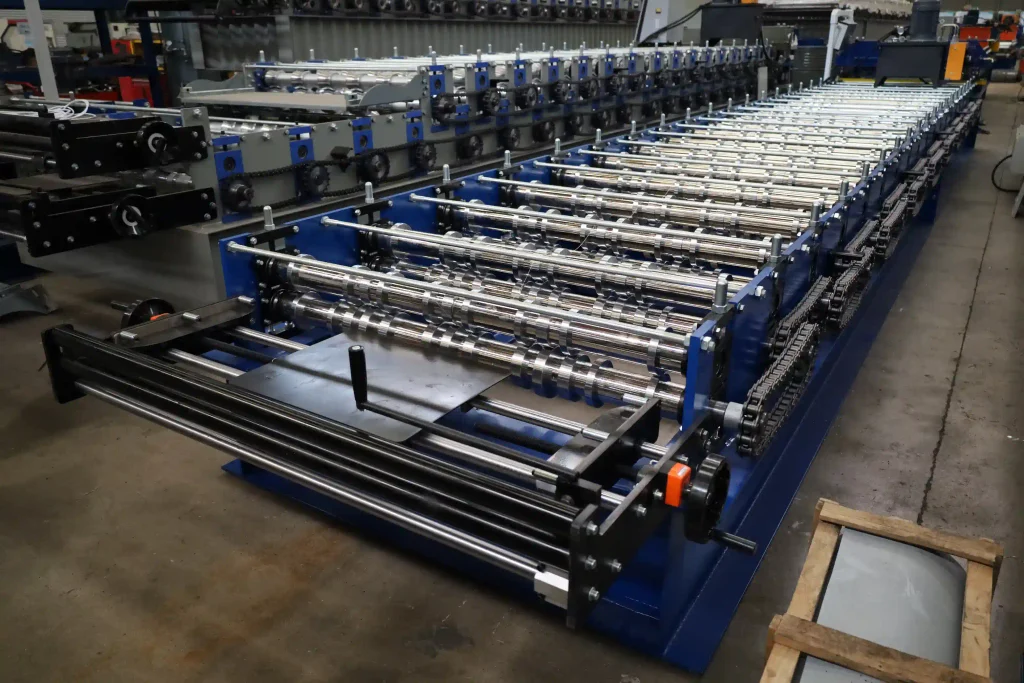
Different production lines may include various processes such as decoiling, leveling, feeding, punching, roll forming, cutting, and automatic stacking. The control systems and drive methods also affect the overall configuration of the equipment.
For example, some production requirements only need basic roll forming and fixed-length cutting, while other projects may require automatic feeding, online punching, or automated stacking.
If the quotation does not clearly specify these configurations, purchasers are likely to mistakenly assume that both suppliers are offering identical equipment.
Before confirming the Roll Forming Machine Quotation, the purchaser should verify whether the quotation covers all production processes required for the project, rather than focusing solely on the price of the main machine.
II. When comparing prices, what equipment configuration should be focused on?
Once the different vendors have provided a basic agreement on the technical proposal, the next step is to examine the core configurations in the price list item by item.
A detailed Roll Forming Machine Quotation should clearly list the machine structure, key components, electrical systems, and ancillary equipment included so that the customer can understand the actual range of equipment purchased.
1. Cranes, shafts and forming racks
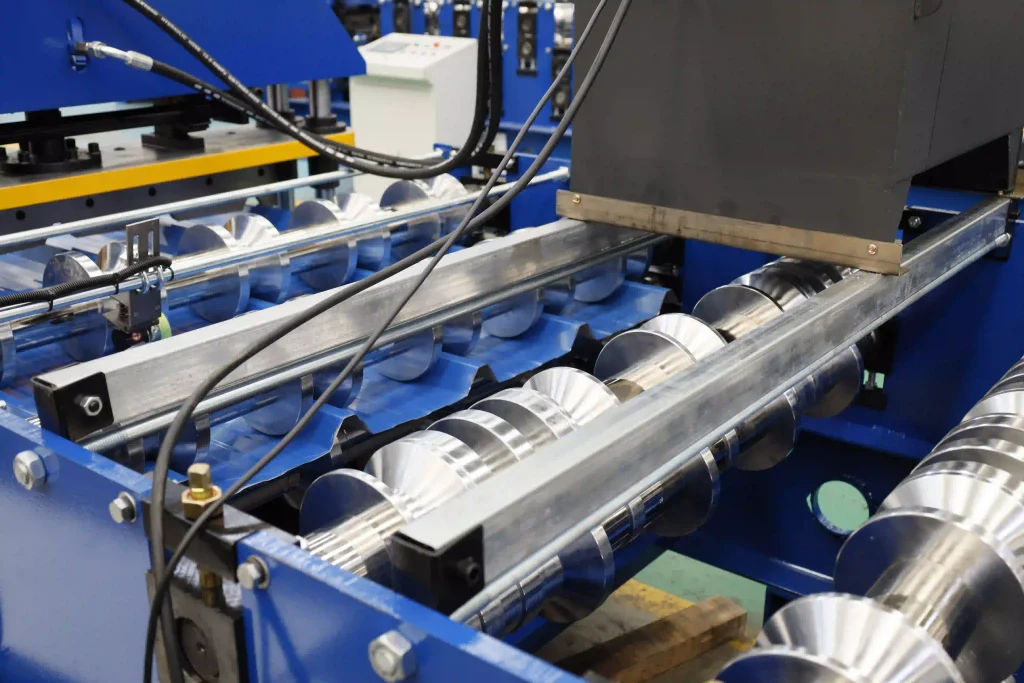
The roller is an important part of the roll forming machine, and its design and processing quality are directly related to the cross-section shape and forming effect of the final product.
Buyers can learn from manufacturers about:
·What materials are used in the rollers?
·Have the rollers undergone the necessary machining and surface treatment?
·Is the roller design based on the product drawings provided by the customer?
·Does the forming process match the product structure and material thickness?
·What structure does the rack have and is it suitable for the intended production load?
For manufacturers, roller design not only needs to meet product cross-section requirements, but also needs to consider the material’s changes during continuous forming. A reasonable forming process and rolling wheel combination can help to reduce the deformation of the plate and surface damage.
Therefore, the quality of the equipment cannot be judged solely by the number of rollers or the appearance of the equipment, but more importantly, attention should be paid to the design basis, processing quality and actual forming results.
2. Motor, transmission and drive systems
The motor and transmission system determine how the power of the equipment is transferred to the forming part and also related to the operational stability of the production process.
When comparing quotes, it is recommended to confirm the power of the motor, drive mode, transmission configuration, transmission structure, and related electrical components.
The production speed and machining requirements of different equipment are different, and it is not that the greater the motor power is the better. The buyer needs to judge whether the configuration is reasonable based on the thickness of the material, the structure of the product, the stages of forming and the target yield.
If two quotes use different drivers, you should also learn more about whether they are suitable for your production task, rather than simply using the specifications of a particular component as the sole criterion for the quality of the equipment.
3. PLC control system and automatic configuration
The control system is an important part of the automated rolling forming production line.
The buyer needs to confirm what type of PLC, touchscreen and related electrical components the equipment uses, and whether the control system supports the setting of product length, production volume, operating speed and related machining parameters.
If customers need to produce products with multiple specifications, they should also confirm whether the equipment supports the corresponding production settings and what actions need to be taken when changing the specifications.
In addition, the control cabinet’s protection, wiring layout and operating interface are also worthy of attention. For export equipment, it is also necessary to confirm that the power supply voltage, frequency, phase and local use requirements match.
4. Rolling, flattening, casting and cutting equipment
Auxiliary equipment often has a significant impact on the quote of the entire production line.
For example, the carrying capacity of the cutter, whether the drive force is present, whether a calibration device is required, and the structure of the punching and cutting system will affect the final configuration.
Purchasers should focus on checking:
·Whether the rolling machine is included in the quote;
·Whether it is equipped with an independent calibration device;
·Whether an online punch is required;
·What method is used in the cutting system;
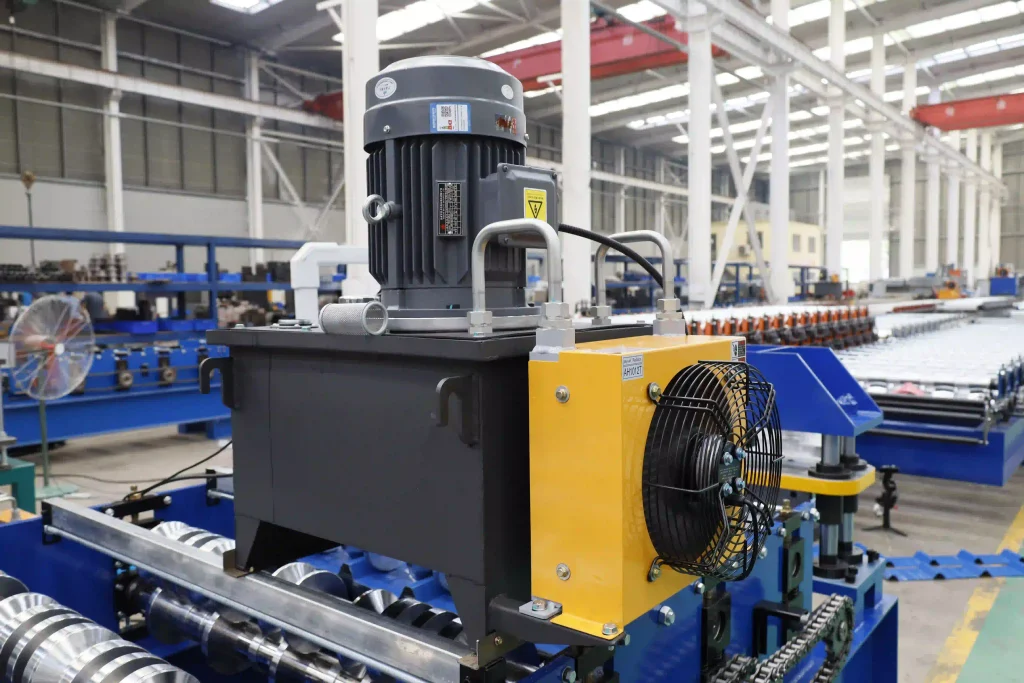
·Whether it contains a hydraulic station and related control parts;
·Whether an automatic loading or stacking device is required.
In particular, it is important to note that some quotes include only the forming machinery, while others include the complete production process from roll-up to finished product collection. If these items are not clearly listed in the Roll Forming Machine Quotation, the purchaser should request a more detailed list of equipment configurations from the manufacturer.
III. In addition to the equipment itself, what other costs are easily overlooked?
In addition to the equipment price, a complete copy of the Roll Forming Machine Quotation should also help the purchaser understand the costs that may be involved in custom design, shipping, installation, and post-sale services.
1. Custom design and special configuration fees
If the customer needs to produce non-standard segments, different material thicknesses or multiple product specifications, the equipment may need to be specifically designed.
For example, different metal profiles may require different roller configurations, forming stages, punch molds or cutting structures.
The buyer should confirm whether the custom design is included in the quote and whether subsequent replacement of product specifications requires the purchase of additional rollers or molds.
If multiple products are planned, it is best to explain the actual requirements to the manufacturer early in the procurement process, so as to avoid finding that the original configuration does not meet the production plan after the equipment is delivered.
2. Costs related to packaging, transport and export
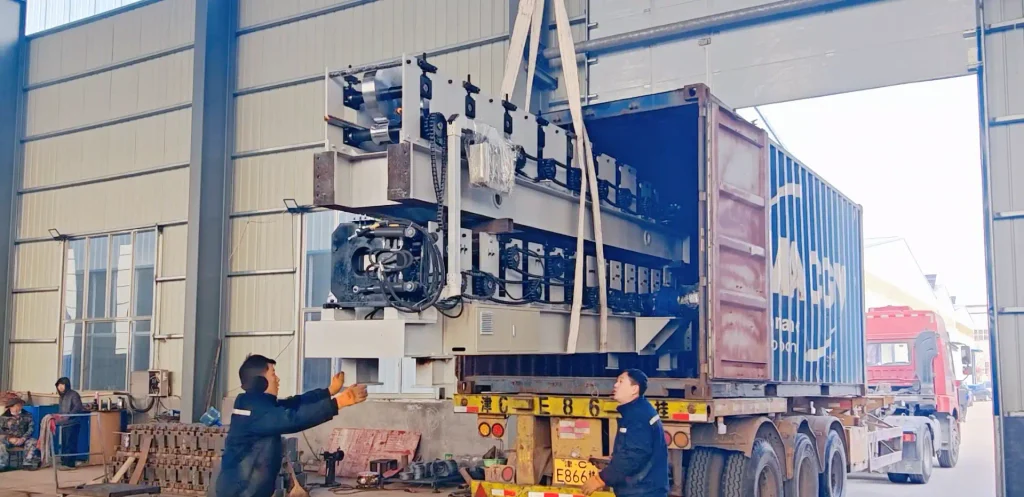
For overseas buyers, transportation and export costs are also an important part of the equipment procurement budget.
The size, weight and packaging of different equipment may affect the packing scheme and transport costs.
Therefore, the buyer should confirm whether the quote includes export packaging, packing, domestic transportation, shipping or other logistics costs.
There is also a need to clarify the terms of trade, port of destination charges, import duties and local customs clearance responsibilities. The costs and liabilities of the buyer and seller are not the same under different terms of trade.
It is recommended that the price of the equipment, the mode of packaging, the transport arrangements and the responsibilities of both parties be clearly written before the contract is signed.
3. Installation, debugging and operational training
After the equipment arrives at the factory, it usually needs to complete installation, commissioning and operation training before it can be formally put into production.
The range of services offered by different manufacturers may vary.
Some providers provide remote technical guidance, some can arrange for engineers to install and debug on site, and others provide operator training depending on the project.
These services do not appear to be mechanical configurations of equipment, but will directly affect the subsequent equipment installation and production arrangements of overseas customers.
4. Aftermarket service and spare parts supply
In the long-term operation of the equipment, reasonable maintenance and timely technical support are very important.
Buyers should be aware of the manufacturer’s warranty coverage, how it responds, the availability of fragile parts, and what kind of technical support is available in case of equipment problems.
Overseas customers, in particular, need to confirm whether the supplier has remote communication and technical guidance capabilities, as well as clear maintenance instructions and spare parts information.
When comparing equipment quotes, don’t just look at the price on the day the equipment is delivered, but also understand the possible maintenance and service costs after the equipment is put into use.
IV. How to Determine Whether a Профилегибочная машина Quotation is Reasonable?
After understanding the equipment configuration and related costs, the purchaser also needs to establish a clear quotation comparison method.
A practical method is to compile information from different suppliers into the same comparison table, checking each item individually, rather than just comparing the final total price.
By comparing each Roll Forming Machine Quotation item by item, purchasers can more reliably identify configuration differences among various suppliers, rather than simply deciding which equipment to buy based on the total price.
If a supplier’s quote is significantly lower than that of other manufacturers, it should not be immediately assumed to be the most cost-effective option. Instead, further verification is needed to determine whether there are missing configurations, different material specifications, limited service coverage, or other unspecified costs.
Similarly, a higher price does not necessarily indicate better equipment quality. The key lies in whether the quotation aligns with the customer’s actual production requirements, whether the equipment configuration is reasonable, and whether the manufacturer can provide reliable technical support.
V. How to choose the manufacturer of the roll forming machine that is truly right for you?
Equipment quotes are only part of a purchasing decision. For manufacturers who need equipment for long-term use, the actual production capacity, quality control and service capabilities of the manufacturer are equally important.
A competitive Roll Forming Machine Quotation should also be supported by the manufacturer’s actual production capacity, quality control process and technical service experience.
1. Find out whether the manufacturer has physical machining and manufacturing capabilities
The buyer can find out whether the factory has its own machining equipment and can complete the processing and assembly of rollers, racks and other key components.
If conditions permit, you can request a view of the factory machining site, the equipment assembly process, and related production records.
Real factory photos and production videos are more helpful in judging a manufacturer’s actual production capacity than just looking at product promotional pictures.
2. Requires information on factory testing and product testing
Before the equipment is shipped, factory testing is a very important step.
The buyer may ask the manufacturer to carry out test operations according to confirmed product specifications and to check the cross-section shape, size, surface condition and cutting effect of the finished product.
For custom equipment, it is best to confirm test materials, test content and acceptance standards in advance to avoid disagreements between the parties on whether the equipment meets the requirements.
3. Learn about manufacturers’ export and service experiences
Overseas equipment procurement involves many aspects such as language communication, packaging and transportation, technical documents, installation and commissioning, and after-sales service.
Therefore, buyers should also know whether the manufacturer has relevant export experience and is able to provide technical communication, equipment installation guidance and operational training according to project requirements.
For example, power supply conditions, production environments and customer usage habits may vary from country to country. The manufacturer needs to know this information during the project communication phase in order to better determine the equipment proposal.
4. Don’t make a final decision based solely on an offer sheet
A complete procurement plan should be based on clear technical requirements, a reasonable equipment configuration and a clear range of services.
Before finally selecting a supplier, it is recommended that the customer conduct a detailed technical communication with the manufacturer to confirm all critical configuration and delivery conditions and to include mutually agreed content in the contract or technical agreement.
This can reduce the poor information during the procurement process and help smoother the subsequent equipment manufacturing, acceptance and delivery.
VI. How does HENER provide roll forming equipment solutions for overseas customers?
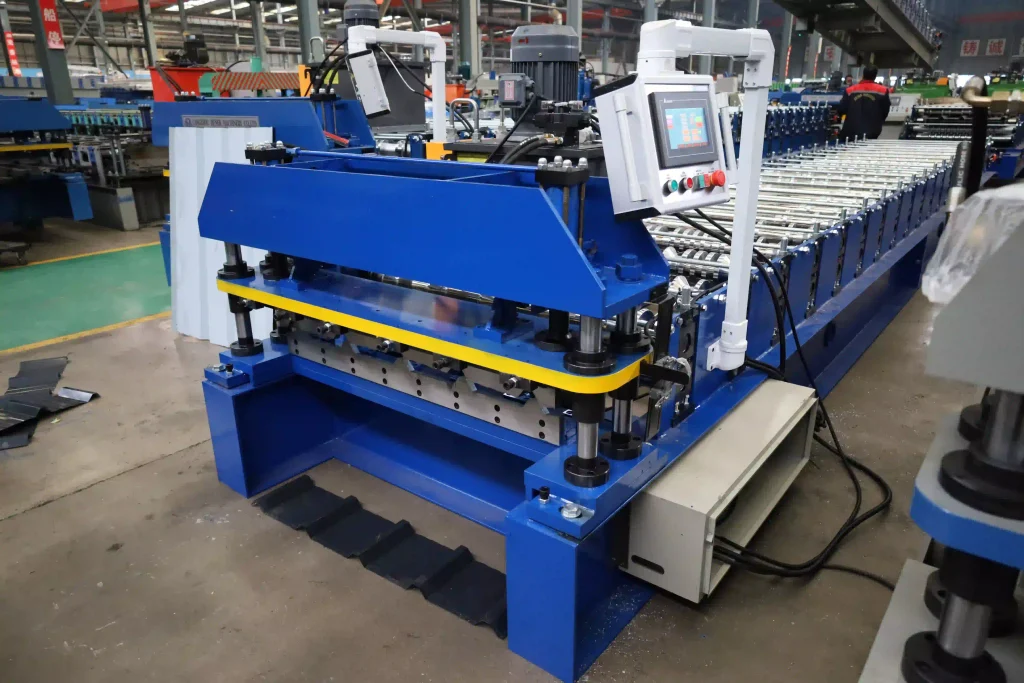
As a company specializing in the manufacturing of roll forming machine, HENER discusses the corresponding equipment configuration according to the customer’s product drawings, material specifications, production requirements and project conditions during the equipment programming phase.
The production tasks of different customers are not exactly the same, so equipment schemes should not simply apply fixed configurations. When preparing the Roll Forming Machine Quotation, HENER will discuss the appropriate equipment configuration with the customer’s product drawings, material specifications, production requirements and project conditions.
From the design of product sections to the machining of rollers and racks, to the assembly of equipment and the commissioning of the plant, HENER focuses on all aspects of the equipment manufacturing process. The company has its own machining workshop, which can process related parts such as rollers, molds and racks, and conduct factory testing before the equipment is delivered.
With more than 15 years of industry experience and export experience to more than 100 countries and regions, HENER continues to provide equipment manufacturing, installation and commissioning, operation training and technical support services to overseas customers. The specific range of services can be confirmed based on the client’s project needs.
For customers who are comparing prices from different manufacturers, we recommend that the actual product requirements be clearly identified before confirming the equipment structure, core components, auxiliary configuration and service range.
If you are purchasing a metal roofing machine, a beam, a light steel keel, a flooring machine or other roll forming machine, you can provide HENER with product drawings, material thickness and expected output. Our team can discuss suitable equipment solutions based on specific production needs.