×



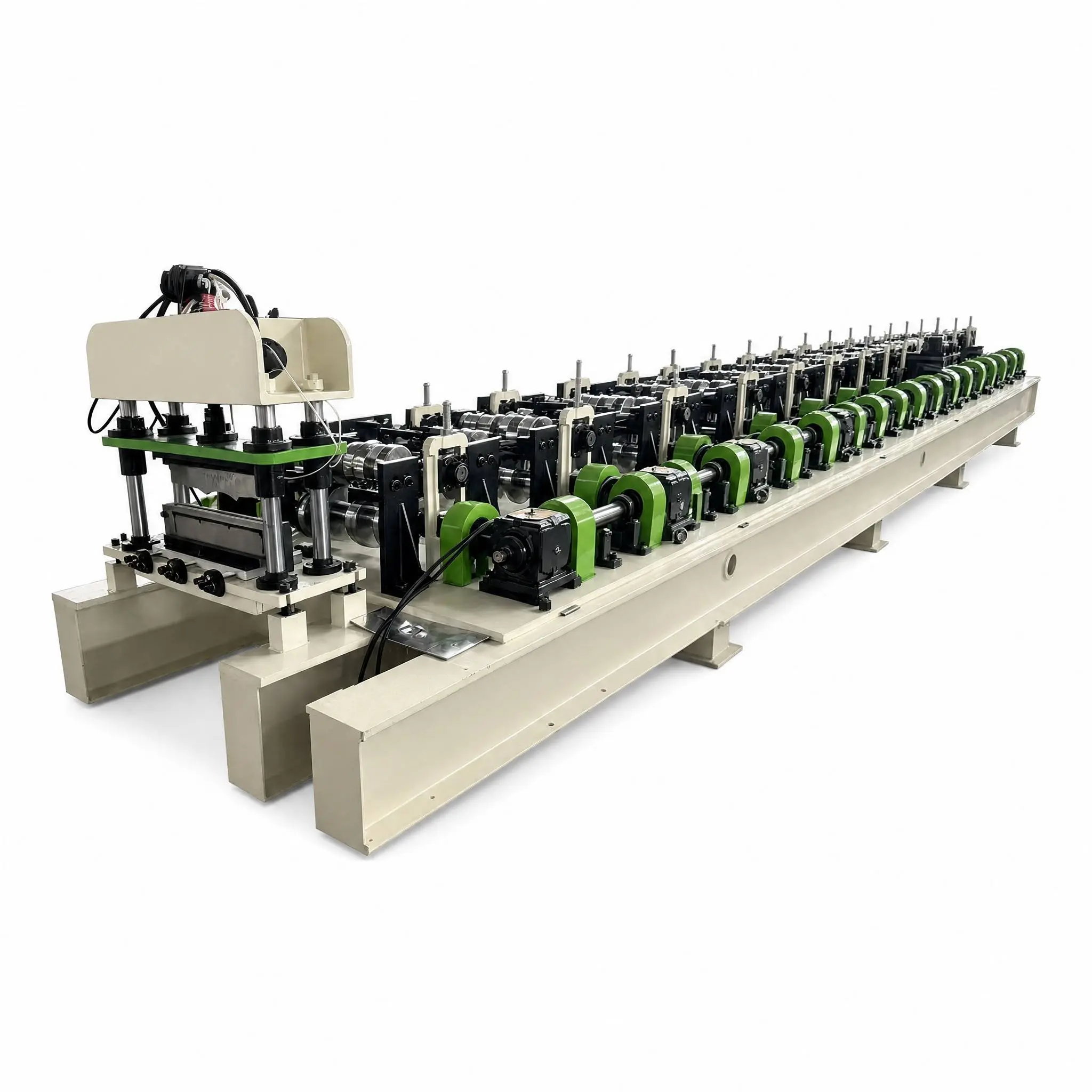
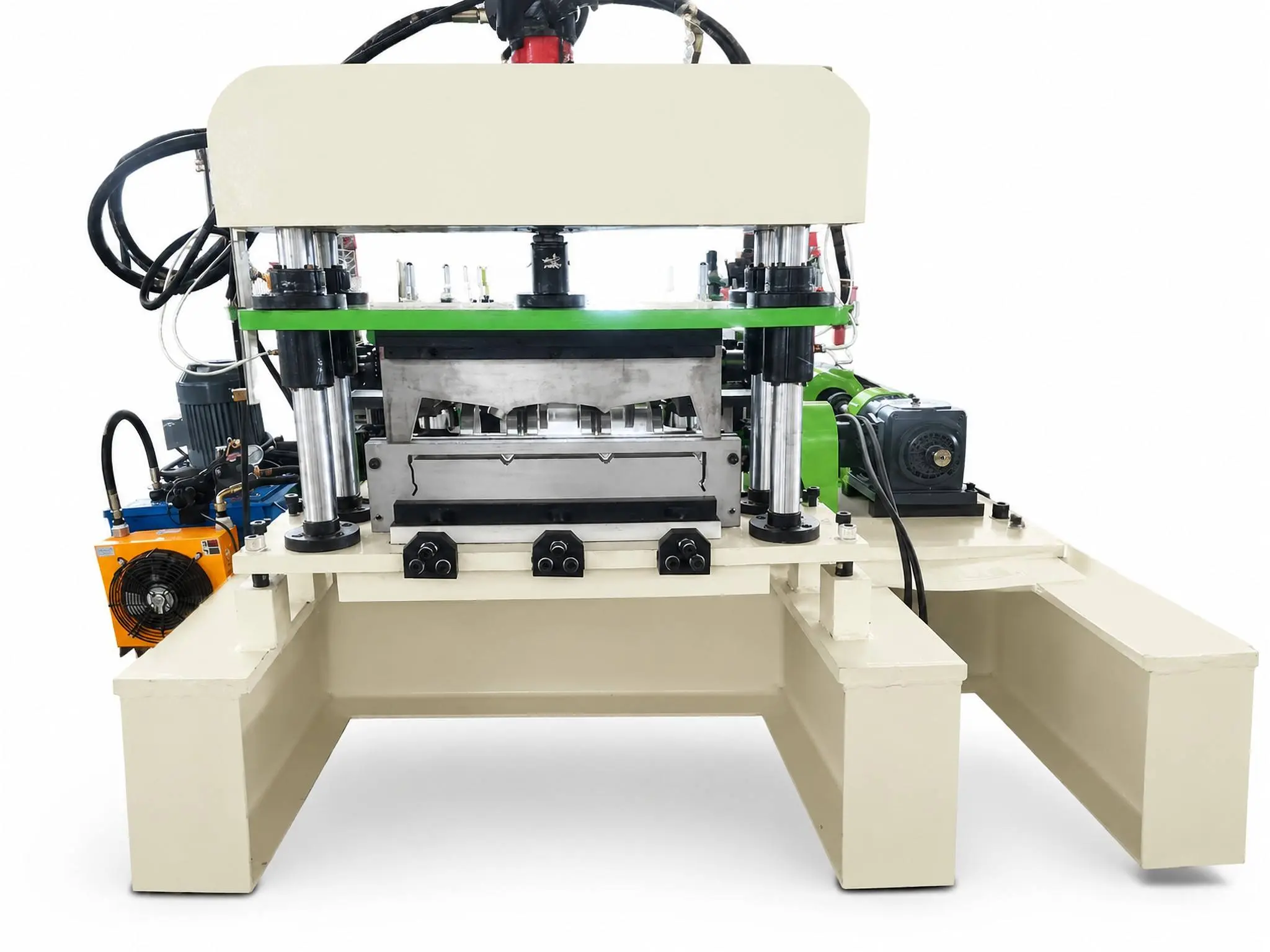









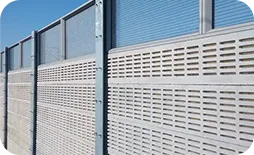
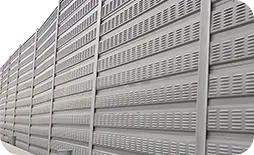
The Sound Barrier Panel Roll Forming Machine is a roll forming machine used for producing metal sound barrier panels. It is widely applied in highways, railways, urban elevated roads, industrial parks, and other infrastructure projects requiring noise control. With the increasing demand for transportation construction and urban environmental noise management, the application of metal sound barrier panels in road sound insulation and building noise protection projects is becoming more extensive.
For sound barrier production enterprises, road facility suppliers, and infrastructure engineering supporting manufacturers, the Sound Barrier Panel Roll Forming Machine integrates roll processing and forming processes into the production line, helping to enhance production organization efficiency and meet processing requirements for various panel types and order lengths. The specific equipment structure, level of automation, and production capacity should be determined based on the actual product requirements of the customers.
| Raw Material Type | Aluminum coils Galvanized steel coils Carbon steel coils |
| Толщина материала | 0.8-1.0 mm (customizable) |
| Ширина материала | Approx. 800 mm (adjustable based on panel design) |
| Main Frame Material | 350H structural steel |
| Roll Forming Stations | 18 forming stations |
| Система привода | Chain drive (1.0 inch) |
| Скорость формования | Approximately 10-15 meters per minute |
| Система управления | PLC automatic control with touchscreen interface |
Гидравлический разматыватель
Before production begins, the metal coil is installed on the roll-up unit. The decoiler is responsible for smoothly decoil the coil and continuously supplying the sheet to the subsequent processing processes. Depending on the weight, width and specification of the roll, a suitable decoiler can be chosen to meet the material supply requirements of the Sound Barrier Panel Roll Forming Machine.
The decoiling configuration of the Sound Barrier Panel Roll Forming Machine needs to match the material specifications and the working tempo of the entire production line to provide a stable material input for subsequent leveling, punching and roll forming.
High-Precision Straightening & Feeding
After the coil is unrolled, the metal sheet enters the flattening and transportation area. The smoothing device is used to improve the smoothness of the coil after it is unfolded, and the loading agency is responsible for sending the coil to a subsequent process at a set position.
Stable loading helps control the position and machining accuracy of the plate, especially during the production of sound barrier boards that require punching, and the feeding position affects the correspondence between the punch level and the subsequent plate type.Therefore, the feeding method and control scheme should be designed in conjunction with the thickness of the plate, the casting layout and the production requirements.
Punching Press
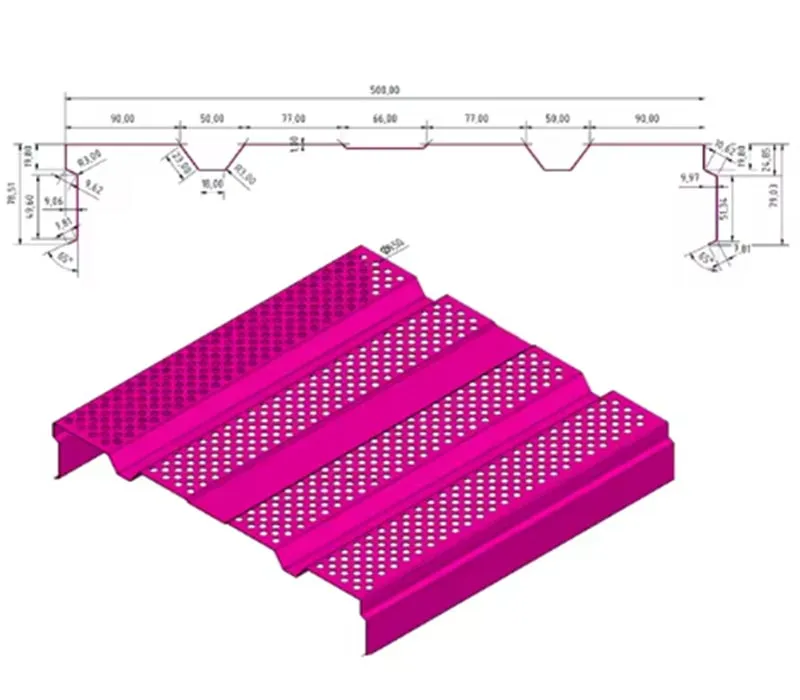
Part of the metal sound barrier panels use perforated panel structure to match the internal sound absorption material to form a sound asorption system. For such products, the production line can be configured with a corresponding punching device according to the design to process the specified aperture, aperture and aperture sizes on the metal sheet.
The punch pattern needs to be determined according to the product drawings, taking into account the perforation distribution, plate strength and subsequent forming requirements. Not all sound barrier panels require punching, so whether the Sound Barrier Panel Roll Forming Machine is equipped with a punching system should be based on the actual product structure of the customer.
Рулонная Формировка
The metal sheet enters the roll forming area, which gradually forms the design-required surface contour, reinforced structure and edge shape through multiple sets of rollers.
Different sound barrier boards may have different widths, cross-sectional structures and means of joining, so the forming rollers need to be designed according to confirmed plate drawings. Reasonable roller configuration helps control the finished product size and contour consistency and reduces plate pattern deviations occurring during continuous production.
The forming pass, roller structure and transmission mode of Sound Barrier Panel Roll Forming Machine should be determined according to the material characteristics and the complexity of the plate to meet the processing needs of the target product.
Cut-to-length System
After the sheet has finished roll forming, it enters the cutting process. The cutting system cuts the finished product according to the set length requirements to meet the sizing requirements of different sound barrier projects.
The method of cutting needs to be determined in conjunction with the layout of the production line, the plate structure and the target production cadence. For road and rail sound barrier projects that require bulk supply, a reasonable calibrated cut-off configuration helps to unify the finished product length and facilitates subsequent stacking, transportation and on-site installation.
Output Table
The sound barrier board that is completed by cutting off is transported to the finished output area for sorting, inspection and stacking. The inspection may include the length of the plate, the cross-section shape, the edge structure, the position of the punch and the surface condition.
By checking whether the finished product meets the confirmed drawing requirements, the manufacturer is able to prepare for subsequent packaging and delivery. For sound barrier boards that need to be used in combination with sound-absorbing materials, fittings or other structures, relevant dimensions and assembly requirements should also be confirmed according to the complete product scheme.
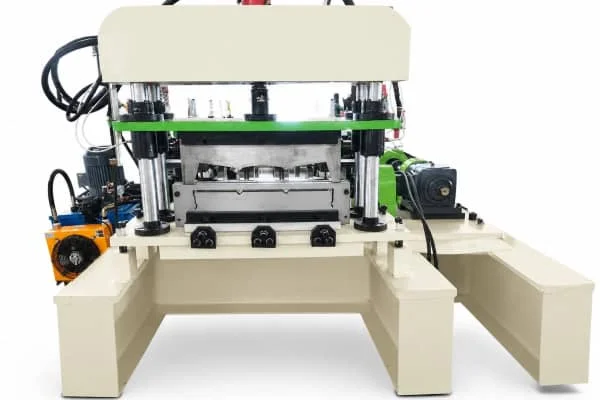
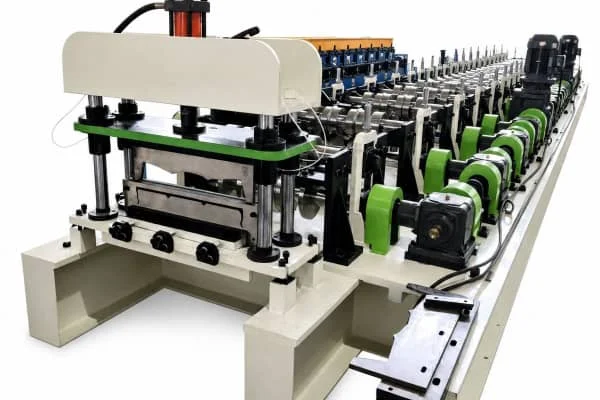
Configurable punch processing system
For metal sound barrier panels that require perforation, the Sound Barrier Panel Roll Forming Machine can configure a punching device according to the product design to achieve the machining of specified perforation types and holes. The form, aperture, spacing and machining cadence of the punching system need to be determined in conjunction with customer requirements to ensure that the pre-process is coordinated with the subsequent roll forming.
Continuous roll формаing
The Sound Barrier Panel Roll Forming Machine gradually changes the shape of the metal sheet through multiple sets of rollers so that it forms a target cross section. The continuous rolling process is suitable for the repeat production of metal profiles of the same or similar specifications, helping to improve the organizational efficiency of mass processing. The actual production capacity depends on the plate type design, the thickness of the material, the punch requirements and the entire line configuration.
Custom Device Configuration
Different sound barrier projects may have different requirements for plate width, thickness, cross sectional structure and installation form. HENER evaluates the suitable configuration of the Sound Barrier Panel Roll Forming Machine based on the product drawings and production requirements provided by the customer, avoiding the need to determine the structure of the machine only based on the product name.
Facilitate subsequent transportation and installation
Sound barrier boards usually need to be manufactured and supplied to the dimensions of the engineering design. By configuring appropriate calibrated cutting and finished output devices, the finished product can be arranged according to the confirmed length to facilitate subsequent packaging, transportation and on-site construction. The actual installation convenience also depends on the plate connection structure and engineering design.
Satisfying multiple material processing needs
Depending on the equipment design, the production line may consider processing suitable aluminum coils, galvanized steel coils or carbon steel coils.There are differences in thickness, strength and forming characteristics of different materials, so the material parameters need to be confirmed at the Sound Barrier Panel Roll Forming Machine design stage to match the roller structure, the feeding system and the cutting device.

If you are looking for a Sound Barrier Panel Roll Forming Machine suitable for road, railway, or industrial noise control projects, please contact HENER and provide product drawings, material specifications, and expected production capacity requirements. We will discuss suitable equipment solutions based on your actual needs.