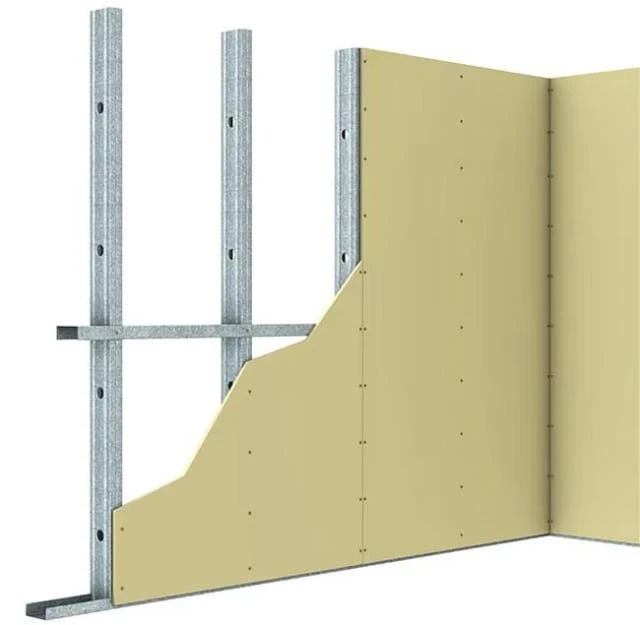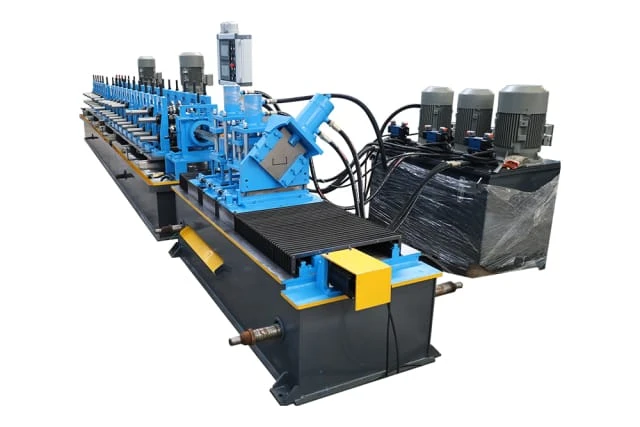





I. What is a roof sheet making machine?
A roof sheet making machine is specialized industrial equipment used to continuously press metal coils (primarily color-coated steel sheets) into corrugated roofing or wall panels for construction applications through a roll-forming process.
II. What common problems occur during the operation of the roof sheet making machine?
1. Inconsistent forming quality of finished products
2. Issues with the shearing system
3. Hydraulic and electrical system failures
4. PLC issues
5. Issues regarding motor operation and the cutter
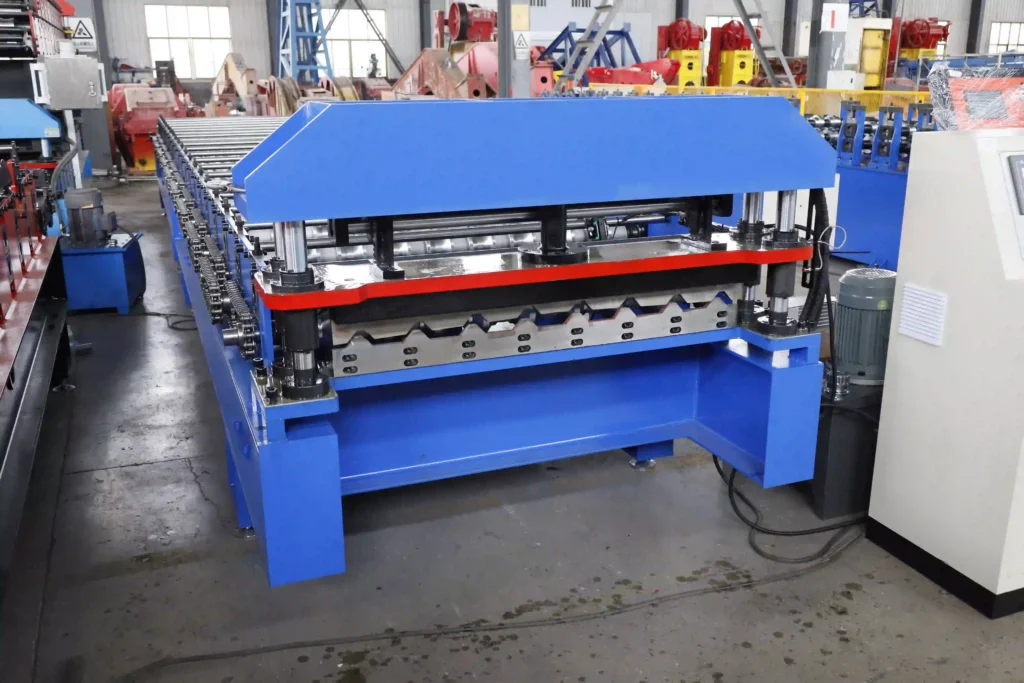
III. Causes of and solutions to problems encountered during the operation of the roof sheet making machine
1. The forming quality of the finished products from the roof sheet making machine is inconsistent, specifically manifesting as follows:
A. Scratches on the paint finish and peeling of the material’s surface coating
Causes: Excessive or insufficient clearance between upper and lower rollers causing friction; rough roller surfaces or chemical reactions with the galvanized layer.
Solutions: Use tools to readjust the gap between upper and lower rollers to the appropriate value (0.05–0.1 mm wider than the sheet thickness); polish the forming rollers and apply roof sheet making machine oil.
B. Sheet misalignment and lateral drift
Causes: Center line misalignment or the feed guide is not perpendicular.
Solutions: Establish a reference line based on the center roller and calibrate the horizontal state of all shafts (tolerance ≤1 mm); adjust the feed guide to ensure it is perpendicular to the main shaft. If the sheet drifts to the right, raise the left side of the feed rack or level the right-side rollers.
C. Uneven end dimensions (larger at the front/smaller at the back, or vice versa)
Causes: Inconsistent gaps between front and rear rollers or center line offset.
Solutions: Re-calibrate the roof sheet making machine’s overall center line. If the front dimension is too large, lower the last row of rollers; if the front dimension is too small, lower the second-to-last row of rollers; ensure uniform gaps across all roller rows.
D. Material cracking and poor forming results
Causes: Feed rack height is too high or the gap in the first row of rollers is too small. Solutions: Lower the feed rack height and appropriately increase the gap for the first and second rows of rollers; verify that the sheet hardness meets equipment specifications.
2. Cutting and Dimensional Faults
A: Inconsistent cut lengths
Scenario 1: Displayed length matches actual length after roof sheet making machine stops.
Root Cause: Excessive machine inertia causing overshoot.
Solution: Increase the length compensation value, adjust the outer roller coefficient, or shorten the deceleration distance on the variable frequency drive (VFD).
Scenario 2: Displayed size does not match actual size; deviation exceeds 10 mm.
Root Cause: Encoder is loose or damaged.
Solution: Tighten the encoder bracket screws and check the coupling; if the issue persists, replace the encoder or troubleshoot PLC signal interference.
B. Cutter fails to cut / Cut edge has burrs
Causes: Insufficient hydraulic pressure, improper blade clearance, or stuck solenoid valve.
Solutions: Check hydraulic oil level and top up; adjust relief valve pressure; manually press the reset pin to free the stuck solenoid valve; regrind blades or adjust the overlap between upper and lower blades to approximately 0.5 mm.
C. Cutter fails to stop or retract
Causes: Damaged upper limit switch or limit switch malfunction.
Solutions: Check and readjust limit switch position; replace damaged micro switch.
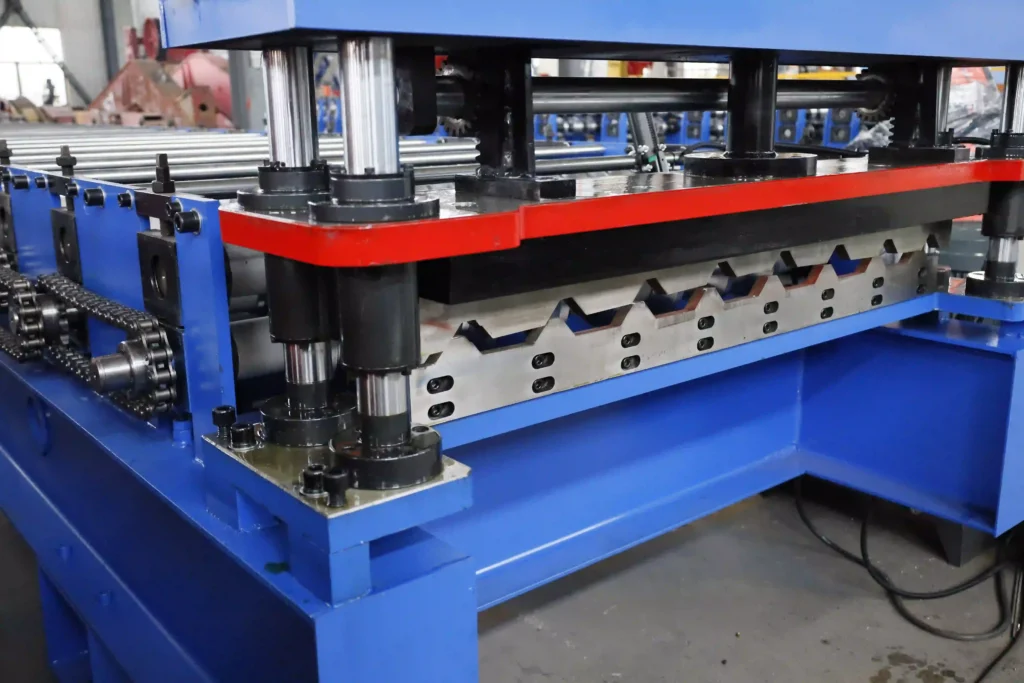
3. Hydraulic and Electrical System Faults
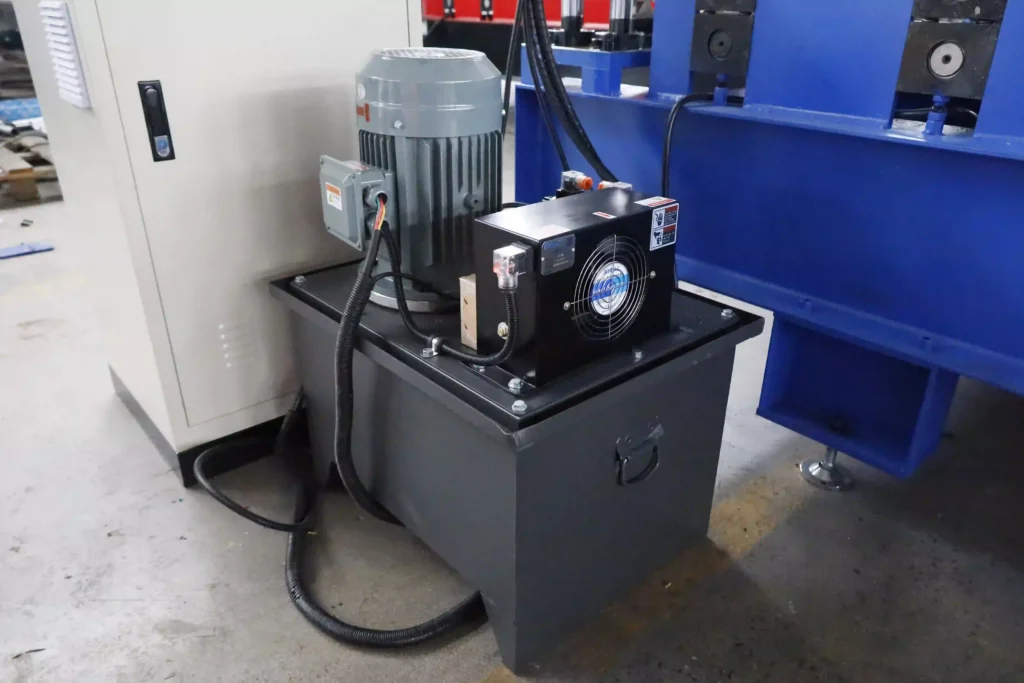
A. Hydraulic pump fails to start; pressure is unstable
Causes: Voltage below 200V, loose neutral wire, low oil level, or worn pump components.
Solutions: Measure supply voltage and tighten neutral terminal; top up hydraulic oil; repair or replace worn pump and faulty relief valve.
4. No response to PLC operation
Causes: Blown fuse, insufficient voltage, or incorrect tension parameter settings.
Solutions: Replace blown fuse and stabilize power supply; reset tension value to zero or re-calibrate to actual mechanical tension; check contacts on the “Auto Mode” button.
5. Motor runs but cutter does not move
Causes: Drive belt slipping or mechanical connection disconnected.
Solutions: Tighten or replace the belt; check the connection between the rocker arm and the support shaft.
IV. Principles for Rapid Troubleshooting
Follow the “Listen, Look, Smell” inspection method: listen for abnormal noises to detect mechanical binding; observe for oil leaks and indicator light status to pinpoint hydraulic or electrical faults; and smell for burning odors to identify electrical short circuits. Regarding routine maintenance, regularly remove metal dust to prevent solenoid valve clogs, and ensure rollers remain clean and well-lubricated.
V. Key Operational Recommendations for Common Faults
Grind rollers to eliminate surface scratches and adjust roller clearance; align the center line to correct sheet misalignment; inspect the encoder and enable length compensation to rectify dimensional errors; clean solenoid valves and adjust oil pressure to resolve cutting unit malfunctions; and replenish hydraulic fluid and inspect pumps and valves to troubleshoot hydraulic system issues.
Our company, HENER Machinery, has many years of experience in manufacturing roof sheet making machine. Please feel free to contact us if you have any questions; we look forward to the opportunity to work with you.