1. What is a CU purlin roll forming machine?
In steel structure buildings, industrial plants, storage facilities, and various metal structure projects, C purlin and U purlin sections are two common types of roll formed steel profiles. They have different cross-sectional structures and can be used for support, connection, framing, and other structural components according to engineering design requirements.
As the steel structure manufacturing industry demands increasingly stringent specifications for profiles and higher processing efficiency, traditional single-piece processing methods can no longer meet the mass production needs of some enterprises. Through automated roll forming machine, metal coils can be continuously processed into C-shaped or U-shaped pulins with specified cross-sections, thereby enhancing the continuity of the production process and the consistency of product dimensions.
The CU Purlin Roll Forming Machine is a specialized equipment used for producing C purlins and U purlins through a roll forming process. Metal coils undergo processes such as decoiling, guiding, feeding, multi-stage roll-pressing, and fixed-length cutting to ultimately form steel profile products that meet design specifications.
The HENER CU purlin roll forming machine can be customized according to customers’ product cross-section drawings, material specifications, and production requirements. It is suitable for profile processing enterprises that need to produce C/U-shaped steel of different specifications.
II. What is the difference between C purlin and U purlin?
Both C-shaped and U-shaped purlins belong to roll formed steel, but their cross-sectional structures and application methods differ. The choice of which profile to use typically depends on the specific structural design, connection methods, and engineering purposes.
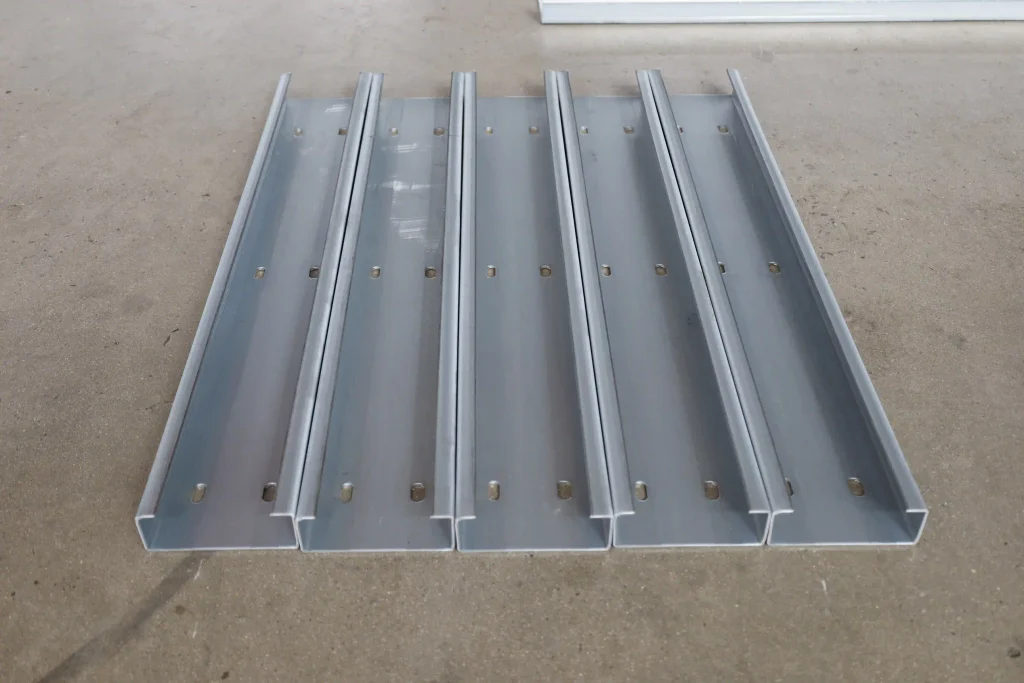
1. C purlin
The cross-section of C purlin has a C-shape, typically consisting of a web, upper and lower flanges, and edge roll-over. Its cross-sectional structure is suitable for various steel support and frame applications.
Common applications include:
·Purlins and auxiliary support components in steel structure buildings;
·Structural profiles for industrial buildings and storage facilities;
·Metal frames and equipment support structures;
·Roll Forming structural components customized according to engineering drawings.
2. U purlin
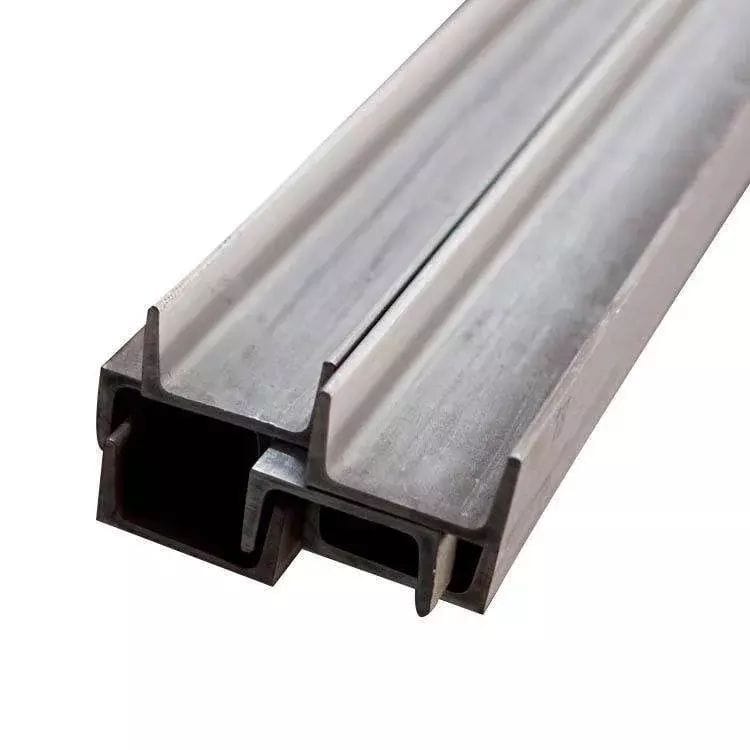
The cross-section of U purlin is shaped like the letter “U,” typically consisting of a web and two side flanges. Depending on the specific cross-sectional design, it can be used in frames, guides, connections, and other structural components.
Common applications include:
·Auxiliary support components in steel structure buildings;
·Metal frames and structural connection components;
·Profiles in industrial equipment and mechanical structures;
·Customized steel sections processed according to project requirements.
III. The working principle of the CU purlin roll forming machine
The continuous roll forming process is adopted in the forming machine of the coarse section steel. Unlike the processing method that directly changes the shape of the material through a single stamping, roller forming is the use of multiple sets of rollers to gradually change the cross section of the metal sheet so that the material forms a target type during continuous operation.

The typical production process is as follows:
Decoiling → Guiding & Feeding → Roll Forming → Length Measuring → Cutting → Finished Product Collection
1. Decoiling and Material Preparation
The metal coil is installed on the roll-up unit and is continuously supplied to the subsequent processes according to the operational requirements of the production line. The width, thickness and material properties of raw materials need to be matched to the requirements of the equipment design.
2. Guiding and Feeding
Before the material enters the forming system, it needs to go through the orientation and positioning device so that the steel belt maintains the correct feeding direction and reduces the impact of material shift on the subsequent forming process.
3. Multi-pass roll forming
This is the core of the entire production proc
ess. The sheet metal passes through a plurality of designed forming rollers to gradually form a C-shaped or U-shaped section.
The structure, arrangement and forming order of the rollers need to be designed according to the target type. A reasonable forming process helps to control cross section size and reduce material distortion and irregular deformation.
4. Cutting to a fixed length
After the finished roll forming of the profiles, they are measured and cut according to the preset length. The switching system can be configured in accordance with actual production requirements.
5. Collection of Finished Products
The cut C / U purlin enters the finished product collection area, and after sorting and sorting, it can be used for subsequent processing, packaging or project delivery.
IV. The main components of the CU purlin roll forming machine
A complete steel production line is usually composed of multiple functional units. Different equipment schemes may differ in terms of mechanical structure, automation and auxiliary configuration.
Decoiler
It is responsible for supporting and releasing metal coil, providing continuous raw materials for the production line. According to the roll weight and production requirements, the corresponding roll opening configuration can be chosen.
Guiding & Feeding System
It is used to adjust the position and direction of the material entering the forming area so that the steel belt can operate according to the predetermined route.
Roll Forming System
The forming system consists of the rack, the forming roller and the related transmission parts, which are an important part of determining the cross-section quality of the mold.
For C purlin and U purlin, different sections require the corresponding roller design and forming process. When the equipment is manufactured, the roller structure and forming scheme should be determined according to the product drawings.
Cutting System
According to the product length and production cadence, finish the cutting of the mold. The method of cutting needs to be determined in conjunction with the material specifications, the cross section structure and the customer’s production needs.
Electrical Control System
Coordinates the operation of various stages of the production line. According to the equipment scheme, PLC, touch screen, coder and corresponding automatic control functions can be configured.
With the proper configuration of the control system, it can help the operator to manage the production speed, product length and production process.
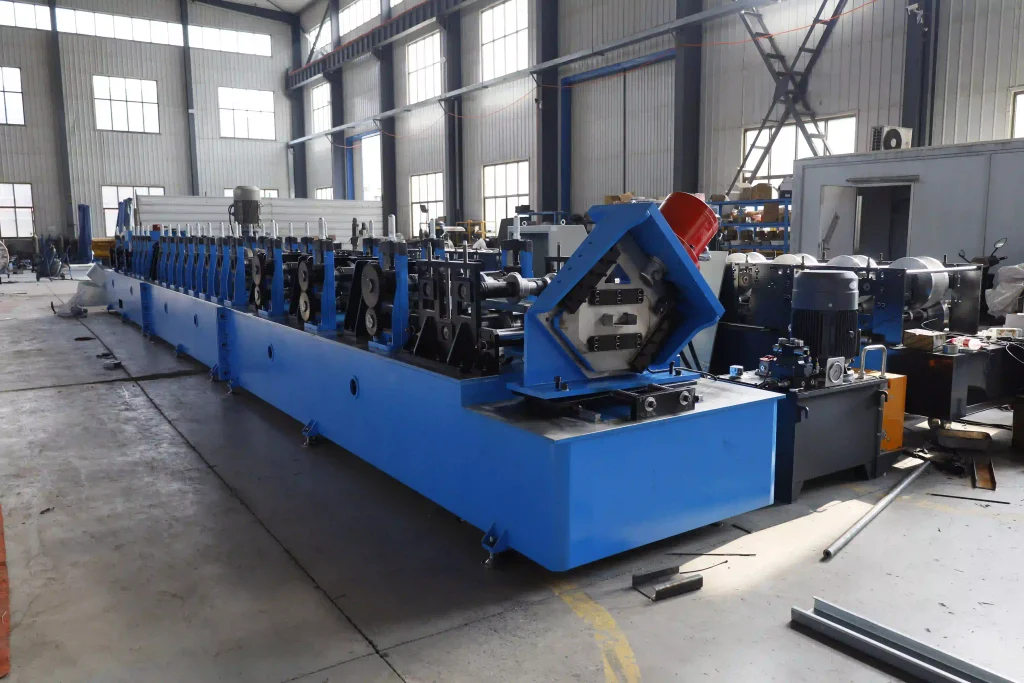
V. What factors need to be considered when choosing a CU purlin roll forming machine?
For type steel production companies, the choice of equipment cannot be based solely on the appearance of the machine or the quote. Whether the equipment is suitable for your product specifications, production plans and factory conditions is the more important judgment.
1. Identify the cross section of the target mold
Before selecting equipment, you should first determine whether you need to produce C purlin, U purlin, or both sections need to be processed.
It is advisable to prepare a complete facade drawing, including bell panel height, wing width, curling dimensions, and other structural details. This information can help equipment manufacturers evaluate forming rollers and production line configurations.
2. Confirm material specifications
The thickness, width, steel grade and mechanical properties of raw materials all affect the forming process and the structure of the equipment.
For different materials, the forming wheel design, equipment rigidity and transmission configuration may need to be adjusted accordingly. Therefore, customers should provide as accurate material information as possible when making a pricing request.
3. Consider the specification adaptability of the equipment
If the enterprise needs to produce a variety of sizes of C purlin and U purlin, it should be confirmed in advance whether the equipment supports the adjustment between different specifications.
Special attention should be paid: the ability to produce C purlin and U purlin does not mean that all equipment can be freely switched on the same production line. The specific manner of replacement, scope of adjustment and timing of replacement shall be based on the structure of the equipment and the technical scheme confirmed by the parties.
4. Focus on forming quality and equipment stability
For mass production enterprises, the consistency of product dimensions and the long-term operational status of equipment are very important.
When purchasing, attention should be paid to the structure of the rack, the quality of the roller processing, the transmission system, and the cooperation between the various processes. When necessary, the manufacturer may be required to provide actual production tests and finished samples in order to evaluate the machining effectiveness of the equipment.
5. Evaluation automation and follow-up services
The automation configuration of equipment should match the actual production management needs. At the same time, it is necessary to know whether the manufacturer is able to provide installation debugging, operational training and follow-up technical support.
These factors will affect the management cost and production efficiency of the production line after it is put into use.
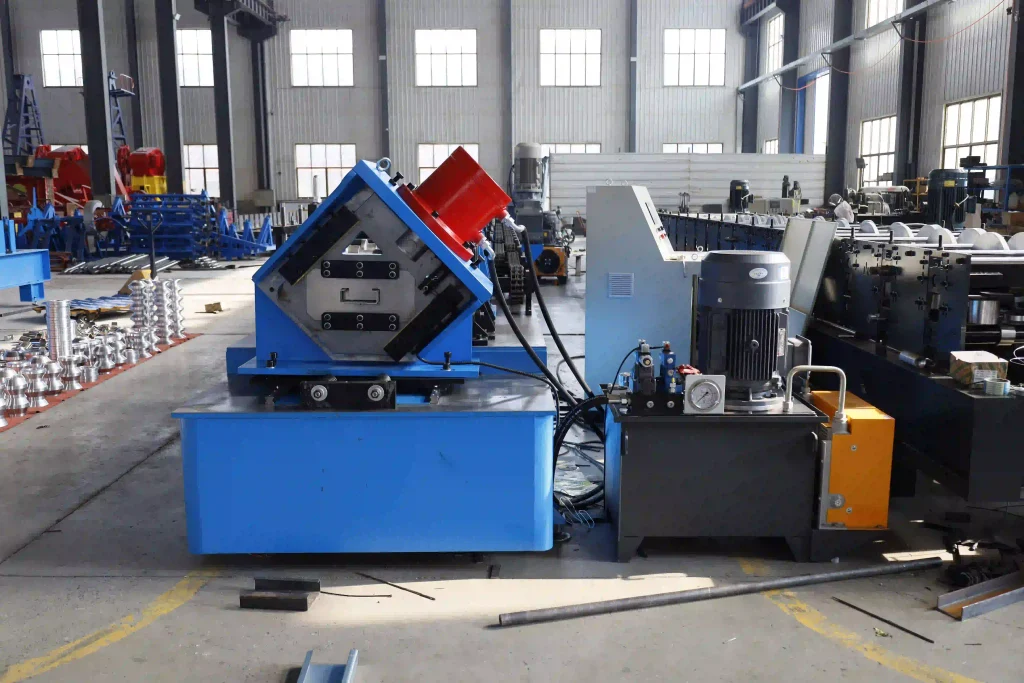
VI. Solution for HENER CU purlin roll forming machine
As a company specializing in roll forming machine manufacturing, HENER Machinery can provide CU purlin roll forming machine solutions according to the type drawings, material specifications and production needs of different customers.
Our equipment design is not only concerned with the ability of the profiles to be formed, but also considers mechanical configuration and automation options in conjunction with product structure, production processes and customer factory conditions.
Develop a forming strategy based on product drawings
C and U beams from different customers may have different sectional dimensions and structural details. According to the product drawings provided by the customer, HENER can evaluate the equipment plan and determine the corresponding forming roller and production line configuration.
In-house machining capabilities
HENER has its own machine tool workshop, which can carry out the processing and manufacturing of equipment related parts. Through the management of the machining process, it helps to ensure the quality control during the manufacturing of equipment.
Factory Testing and Delivery Inspection
Plant tests and operational inspections can be carried out before the equipment is delivered, and the operational status and related functions of the equipment can be inspected according to the confirmed technical scheme.
Installation, Commissioning, and Technical Support
According to the project requirements, HENER can provide equipment installation, commissioning, operation training and related technical support to help customers familiar with the operation and maintenance requirements of the production line.
With more than 15 years of industry experience and export experience to more than 100 countries and regions, HENER continues to provide roll forming machine and supporting production solutions for overseas profile manufacturers.
FAQ
Q1: What products can CU purlin roll forming machine produce?
It is mainly used for the production of C purlin and U purlin. The specific machinable cross-section dimensions, material specifications and product structure need to be confirmed according to the equipment design plan and customer drawings.
Q2: Can C purlin and U purlin be produced using the same equipment?
This depends on the forming structure and conversion design of the device. Some equipment can achieve the production of different sections by adjusting or replacing some of the formed parts, and whether the same line switching is supported needs to be confirmed according to the target product specifications.
Q3: Can CU purlin roll forming machine customize the purlin forming machine according to the customer’s drawings?
Yes. The customer can provide the C / U section drawings, material parameters, product length and production requirements, and the equipment manufacturer will evaluate the forming roller and the complete line configuration based on this information.
Q4: What information do I need to provide to buy a CU purlin roll forming machine?
In order to obtain more accurate equipment proposals, it is recommended that the following information be provided:
·Section drawings of C-section or U-section steel;
·Type and thickness of raw materials;
·Product size and length requirements;
·Target productive capacity;
·Whether abrasion or other auxiliary machining is required;
·Factory voltage and installation conditions.
If complete drawings are not available for the time being, it is also possible to provide product pictures and basic dimensions for initial communication.
Q5: Can the automatic cutting system be configured on the CU purlin roll forming machine?
The appropriate switching system can be configured according to the customer’s production needs. The specific way of cutting and the degree of automation need to be determined in conjunction with the material, the cross sectional structure and the production cadence.
Contact HENER for the right solution for your production needs.
If your business is planning to build a Type C or Type U steel line, or looking to upgrade existing CU purlin roll forming machine, HENER Machinery can advise on equipment options based on your product specifications and production requirements.
Feel free to send us cutting drawings, material information and production needs. Our team will evaluate the suitable equipment configuration for you based on actual processing conditions.
HENER Machinery – Professional Roll Forming Machine Manufacturer for Global Customers.