×


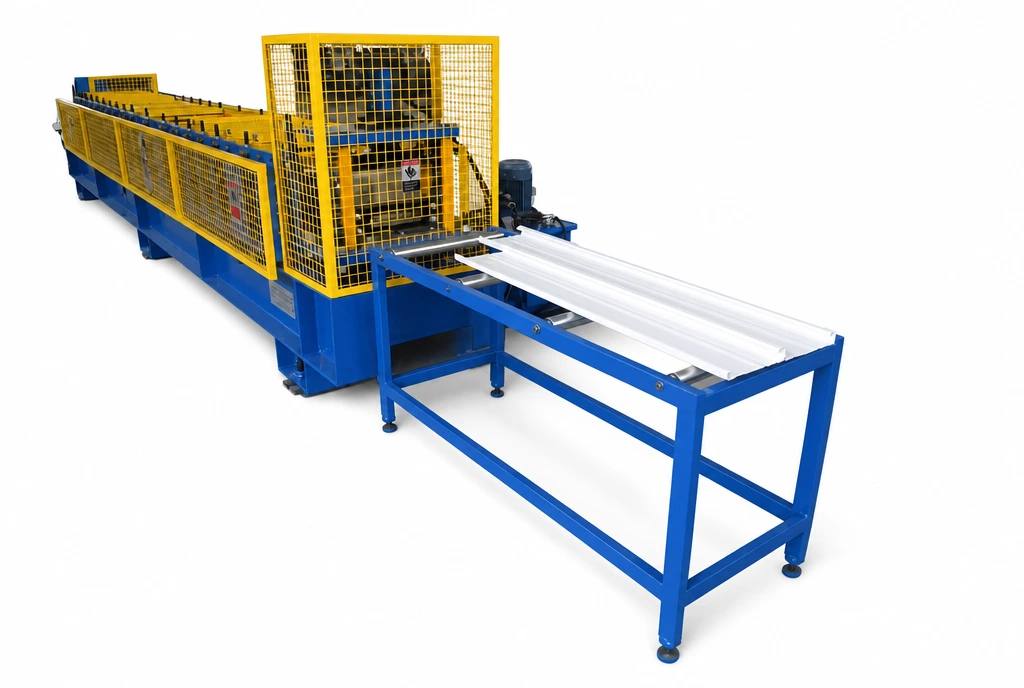

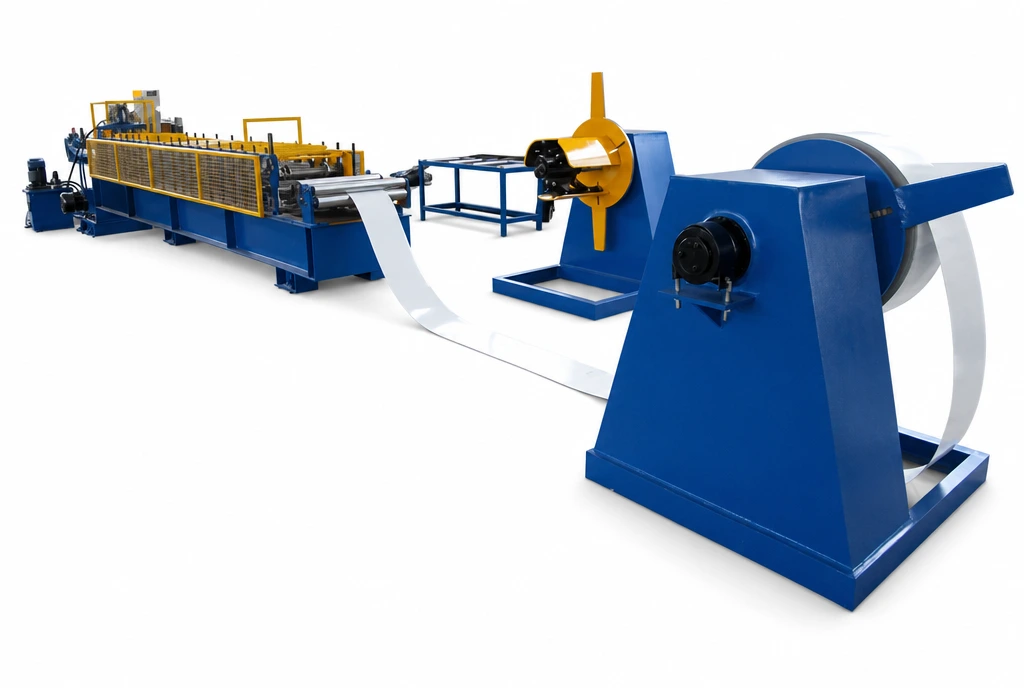
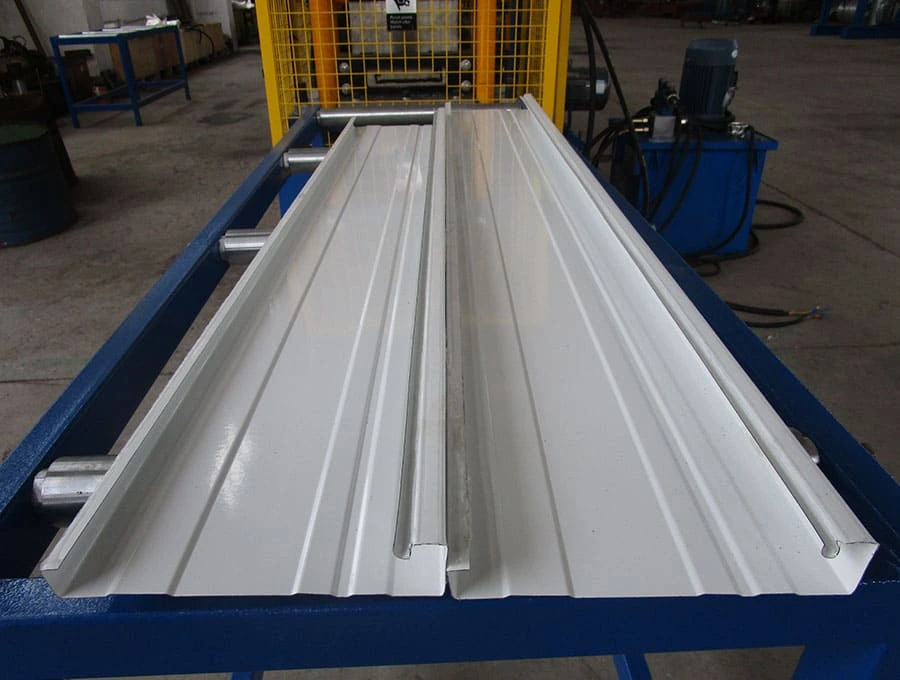








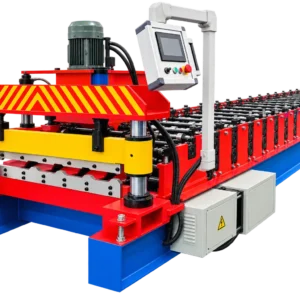
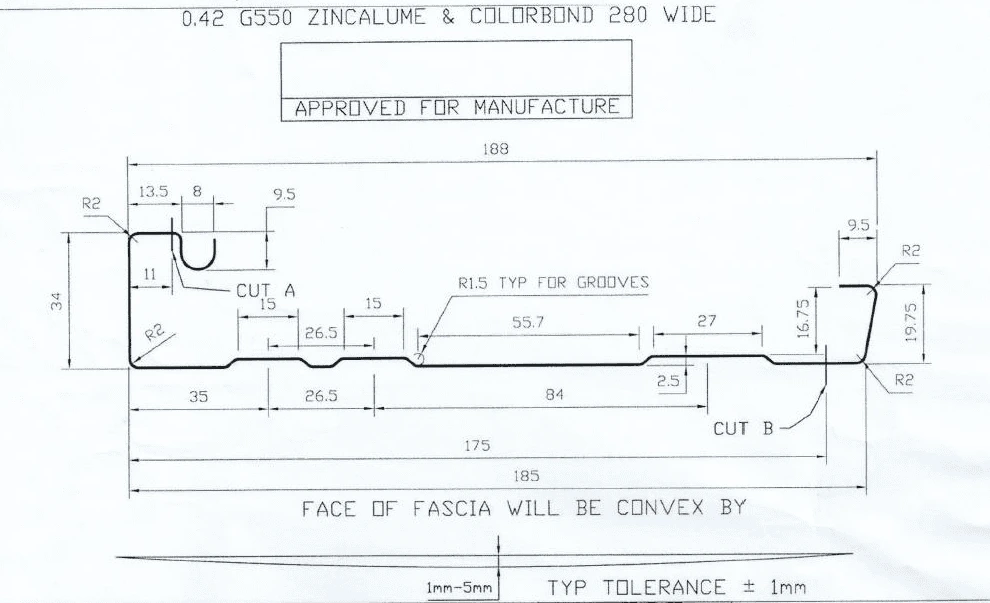
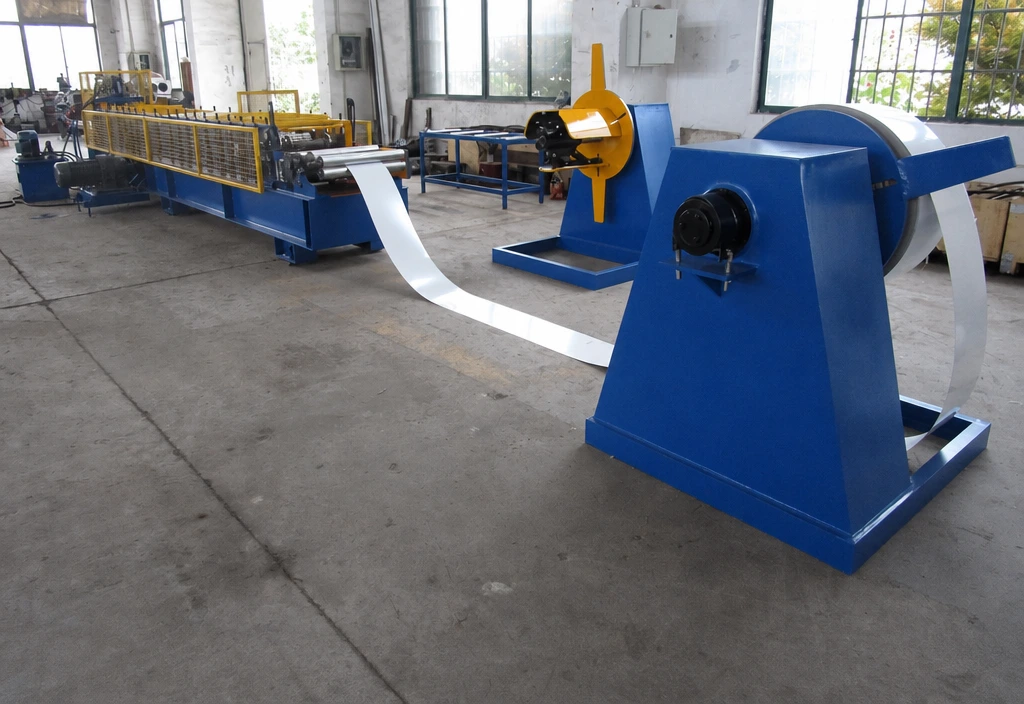
Fascia roll forming machine is a set of automated production lines that continuously roll form galvanized coils, aluminum-zinc coils or color-coated coils into building exterior wall decoration panels. The whole line is usually composed of a decoiler, feeding leveling unit, multi-channel roller pressing host, punching station, shearing device, automatic stacking system and PLC control system. After the coil is decoiled and leveled, it is gradually roll forming into the required cross-section in the multiple sets of rollers of the forming host, and then sheared and stacked off the line after a fixed length.
Compared with the traditional forming process, the advantages of fascia roll forming machine are very obvious: high forming accuracy, no obvious scratches on the plate surface, complex cross-sections can be formed at once, and the output is stable. It is especially suitable for the foreign trade order model with “diverse plate types, moderate order volume, and high delivery requirements”.
| Raw Material Thickness | 0.3-0.8 mm |
| Forming Speed | 15-20 m/min |
| Main Motor Power | 4 kW |
| Hydraulic Motor Power | 2.2 kW |
| PLC Brand | Delta,Siemens,Panasonic,etc. |
| Voltage | 220 V/380 V/415 V/60 Hz/3 Phase (Customizable) |

Decoiler
Production starts from the hoisting of the coil. The decoiler releases galvanized coils, aluminum-zinc coils or color-coated coils smoothly. It is equipped with tension control devices to avoid slack or deviation during the decoiling process. For large-scale orders, it can be optionally equipped with dual-workstation rolling, which can realize automatic continuation when a roll is used up and reduce downtime waiting.
Leveling
The coil enters the multi-roll leveling unit, and the rollers staggered up and down are repeatedly leveled to eliminate the residual stress and plate waves of the coil, and provide a flat plate foundation for subsequent forming. The leveling quality directly determines the flatness and appearance of the finished board surface, which is the first step to ensure the appearance quality.
Feeding & Guiding
The flattened plate is accurately aligned with the side guide roller and the positioning roller, and is sent to the forming host at a stable line speed to ensure that each roller pressure is carried out on the same reference line, and the width and straightness of the finished product are controlled from the source.
Roll Forming
Each roller only completes a small part of the deformation, and the plate material is gradually roll forming to the required cross-section in continuous progress. This “gradual” forming method can control the single-channel deformation within the allowable range of the material, avoid stress concentration and plate surface cracks, and ensure the high consistency of the finished product size and shape.
Punching
According to the requirements of the drawing, the hydraulic or servo punching device synchronously completes the processing of screw holes, drainage holes and other functional holes in the process of the plate. The punching position is controlled by the encoder in a closed loop to ensure the accuracy of the hole position and the stability of the hole spacing, and to meet the needs of on-site installation and drainage functions.
Cut-to-Length
After reaching the set length, the hydraulic shear or flying shear will be cut off synchronously online. Flying shears can complete the shearing in the continuous progress of the plate without downtime, which significantly improves the production capacity and ensures that the incision is flat and burr-free.
Stacking
The finished plate is sent to the automatic stacking device through the conveyor table, neatly coded according to the set quantity, and then packaged and shipped to reduce manual handling and surface scratches, and protect the plate surface coating.
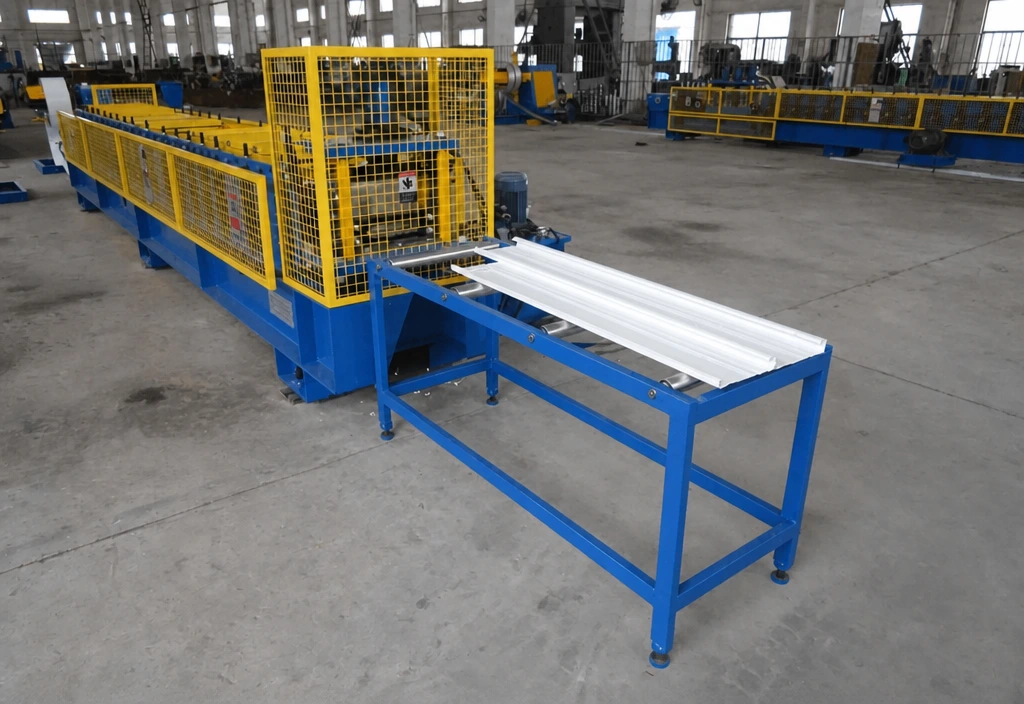
As the representative of the continuous roll forming production line, the core value of fascia roll forming machine is reflected in three aspects:
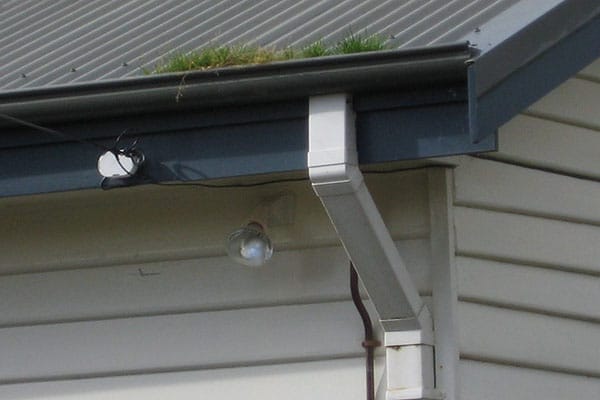
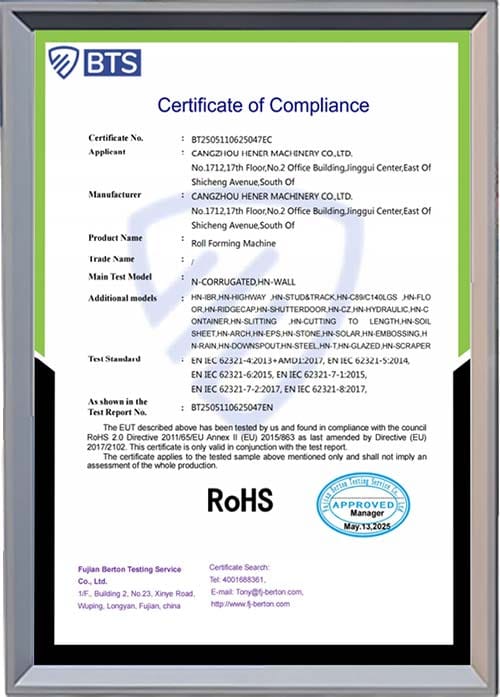
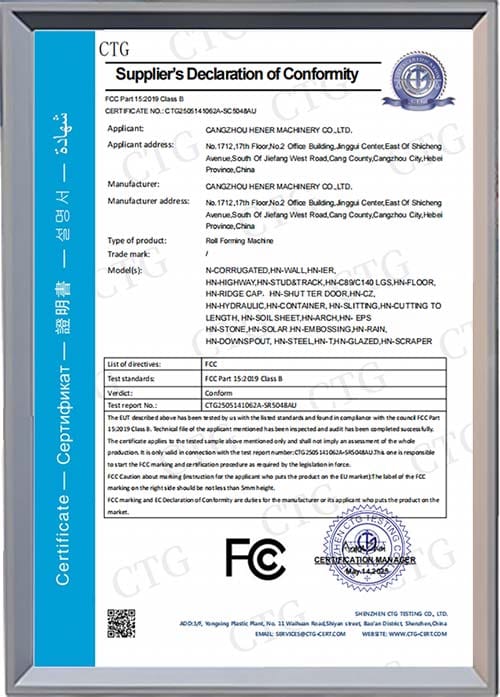
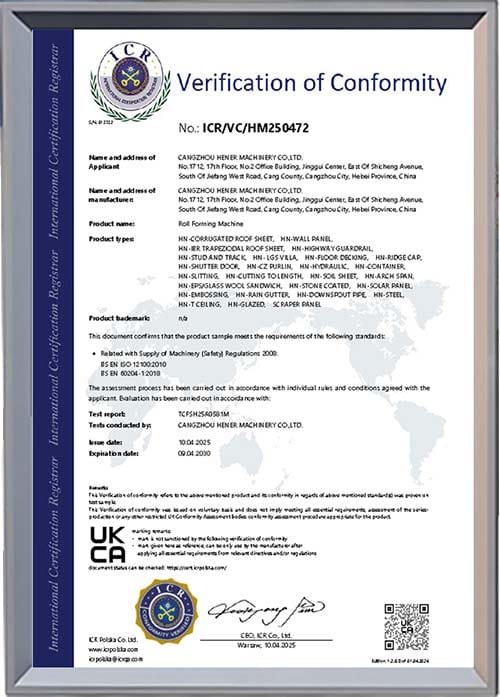
The decorative panels produced by the fascia roll forming machine are widely used in the exterior walls, eaves and edging systems of commercial complexes, industrial plants and warehouses, residential villas and municipal buildings. With G 550 high-strength aluminum-zinc plate or color-coated plate, the finished product has good weather resistance, wind resistance and fireproof performance, which can meet the requirements of Australian AS/NZS, European EN and relevant American building standards for metal enclosure structures.
In overseas projects, customers often require the style of the wall and roof system to be unified and complete. A forming line can supply wall panels, eaves and edge parts at the same time, which can not only reduce the external cooperation link, but also significantly reduce the cost of material procurement and delivery. For processing enterprises that are expanding overseas markets, this means that an investment can enter multiple subdivision application scenarios.